
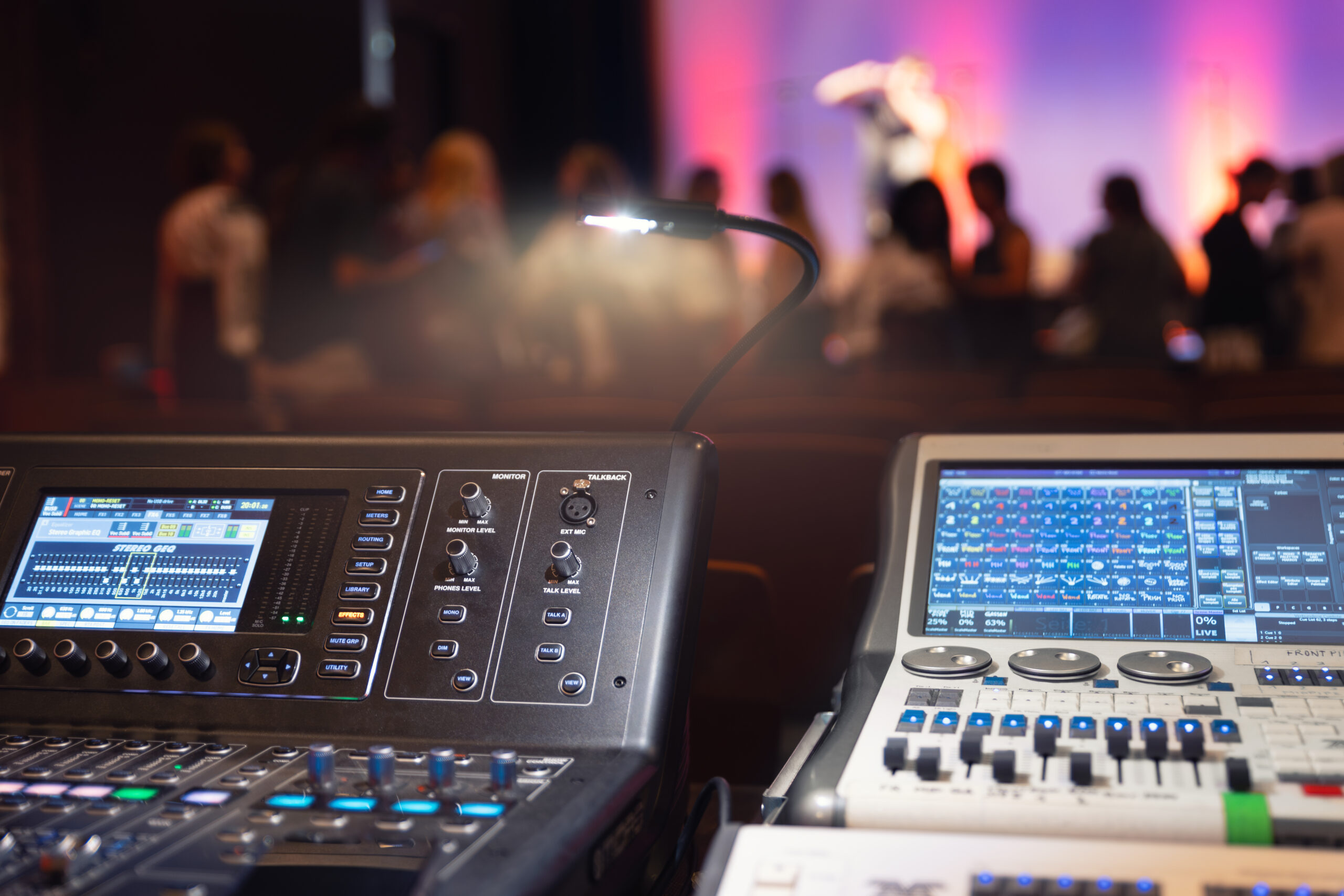
Modern work life revolves around screens and speakers. From high-stakes boardroom pitches to virtual training sessions across time zones, communication only works if people can see and hear everything clearly. That is why advanced audio-visual solutions are no longer a luxury. They shape how teams connect, share ideas, and move projects forward.
Let’s break down what makes Audio Visual Communication strong, how it helps organizations work better, and what it takes to build systems that actually support people every day.
What Is Audio Visual Communication?
Audio visual communication brings sound and visuals together to present information with clarity and context. Instead of sharing documents or speaking in isolation, teams use displays, microphones, cameras, and conferencing software to share ideas in real time or through recorded content.
This form of communication plays a major role in audio visual and collaboration solutions used across office settings, higher education, government agencies, healthcare, and hybrid workplaces. It supports everything from problem-solving sessions to quarterly business reviews.
Systems like audio visual collaboration platforms, digital displays, and smart microphones help remove distance barriers. They allow remote and in-person participants to feel like they are in the same room, which is the heart of productive enterprise collaboration today.
CORE COMPONENTS OF EFFECTIVE AV COMMUNICATION
Great results come from the right building blocks. These are the main components that support smooth audio-visual collaboration solutions.
Audio Systems
If the sound is unclear, the message gets lost. Strong audio setups typically include:
- High quality microphones that pick-up voices, not background noise
• Ceiling or boundary microphones for larger rooms
• Speakers that distribute sound evenly
• Acoustic treatments to reduce echo and distortion
Clear sound lets participants speak naturally without repeating themselves or straining to hear.
Visual Displays
Displays are how ideas take shape. The right visual system depends on room size and communication goals. Popular options include:
- Large LED displays for boardrooms
• Projectors and retractable screens for flexible spaces
• Ultra-high-resolution panels that keep text and charts sharp
If the display is crisp, everyone follows along faster and contributes with more confidence.
Video Conferencing Tools
Meetings today often include both in-room and remote attendees. Platforms like Zoom, Google Meet, or Microsoft Teams allow face-to-face collaboration from anywhere.
But software is only part of the equation. Cameras, room layouts, and connectivity decide how natural and inclusive the meeting feels.
Strong setups help companies get more value from enterprise collaboration software, turning virtual sessions into productive discussions.
Control Systems
No one wants to fumble with cables or multiple remotes. Control systems give teams centralized, simple access to lighting, sound, screens, conferencing tools, and input sources.
Touch panels and automated settings keep meetings moving instead of wasting time on setup. That reliability is a key part of trusted business audio visual solutions.
BENEFITS OF EFFECTIVE AV COMMUNICATION
Here is what happens when audio and visuals work together smoothly.
Enhanced Engagement
People stay focused when content looks and sounds great. Eye contact, real-time screen sharing, clean audio, and interactive elements spark collaboration. This is especially valuable for training rooms and team workshops supported by training room audio visual systems.
Improved Clarity and Understanding
Visual cues make complex information easier. Sound clarity removes confusion. The result is fewer misunderstandings and faster decision making. Team members walk away knowing exactly what their next steps are.
Increased Memorability
People remember what they see and hear better than what they read. Engaging AV helps presentations stick. This pays off in sales pitches, product demos, and executive communications where retention matters most.
BEST PRACTICES FOR IMPLEMENTING AV SYSTEMS
Buying equipment alone is not enough. Strong AV communication comes from thoughtful planning and consistent use.
Tailoring to Audience Needs
Different rooms serve different purposes. A town hall auditorium doesn’t need the same setup as a small huddle room. Consider:
- Room size
• How many people will participate
• Level of interaction expected
• Hybrid participation needs
• Screen placement for all seats
Every decision should support comfort, visibility, and connection.
Regular Maintenance
Even the finest tech fails if ignored. Cables loosen. Firmware requires updates. Projectors need occasional lamp checks. Routine maintenance protects the investment and avoids rushed troubleshooting in the moments that matter most.
Training Staff
Tools only work if users understand them. Even smart automation benefits from basic training. Teaching employees how to use AV systems builds confidence and reduces delays before meetings and events.
Organizations that treat AV as part of their daily collaboration culture see higher adoption and smoother communication across teams.
WHY STRONG AV COMMUNICATION MATTERS FOR THE FUTURE
Workplaces continue to evolve. Hybrid schedules. Distributed teams. Fast shifts in priorities. Smooth communication is the thread that keeps everything aligned.
As companies adopt more enterprise collaboration tools, reliable AV becomes even more important. Meetings need to be accessible. People need flexibility. And ideas need a clear path from one person to another.
Strong systems support productivity and reduce friction. They help businesses stay connected no matter where people work.
CONCLUSION
Effective audio-visual communication blends sound, visuals, and collaboration tools into one smooth experience. From microphones and display technology to video conferencing platforms and centralized control systems, each component supports clearer conversations and more productive teamwork. Organizations that invest in advanced audio-visual solutions often see stronger meeting outcomes, faster decision-making, and more engaged audiences across every department.
WHY BUSINESSES TRUST BCS CONSULTANTS
BCS Consultants is a leading provider of smart business audio visual solutions, audio visual collaboration, and enterprise collaboration software integrations across Southern California and beyond. Our team designs environments that help people think better, present confidently, and connect without technical distractions. From conference rooms and huddle spaces to digital signage and training room audio visual systems, they bring deep expertise in planning, installation, and long-term support.
BCS works closely with companies to create reliable AV ecosystems that fit real meeting habits and space requirements. We also provide ongoing service and training so teams can focus on the conversation instead of the cables.
To explore the right audio visual and collaboration solutions for your workplace, reach out today
Browse Audio Visual Solutions
Irvine Center Dr, Irvine, CA 92618
Call +1 949-333-1000
FAQs
1. What industries benefit most from AV communication upgrades?
Corporate offices, universities, healthcare providers, government organizations, and entertainment companies often rely heavily on strong audio visual systems.
2. How do AV systems support hybrid meetings?
They blend in-room audio, cameras, and displays with online conferencing platforms so remote participants feel fully connected instead of just watching.
3. What makes a training room AV setup effective?
Good sightlines, interactive displays, reliable audio pickup, and quick content sharing options help trainers keep attention and participation high.
4. How often should businesses update their AV systems?
There is no fixed timeline. Many organizations review systems every few years to keep up with new collaboration needs and software improvements
