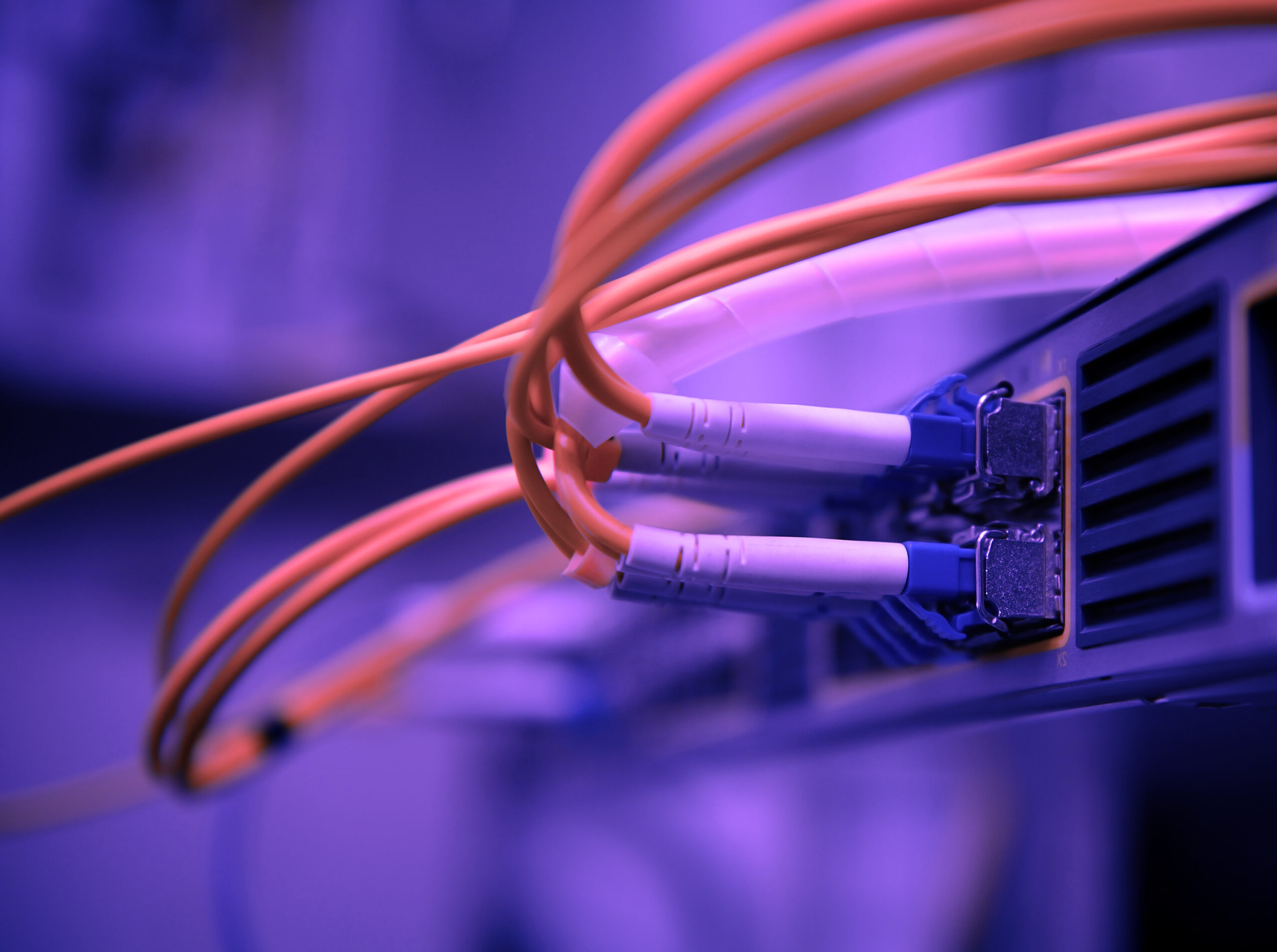
How Fiber Optics Work to Transmit Data at High Speeds?

The need for fast, stable, and scalable data transmission has become central to how businesses operate and how people stay connected. From cloud computing to real-time communication, modern systems rely on infrastructure that can handle massive amounts of data without delays or interruptions.

What Is The Best Advantage Of Fiber-optic Networks Over Traditional Networks?

1. Introduction
Modern networks are under constant pressure. Video calls run all day. Cloud platforms move massive files in seconds. Security systems, access control, and smart devices all depend on fast, stable connections. Traditional copper networks struggle to keep up with this pace.

What Is a Fiber Optic Backbone Network and Why It Matters for Businesses

In today’s hyper-connected business environment, speed, reliability, and scalability are no longer optional. Organizations rely heavily on uninterrupted data flow to support cloud platforms, real-time collaboration, and mission-critical applications. At the center of this digital ecosystem is the fiber optic backbone network, which acts as the core infrastructure that keeps everything connected and running efficiently.