Barco ClickShare vs. Mersive Solstice: Which Wireless Presentation System Is Right for Your Rooms?
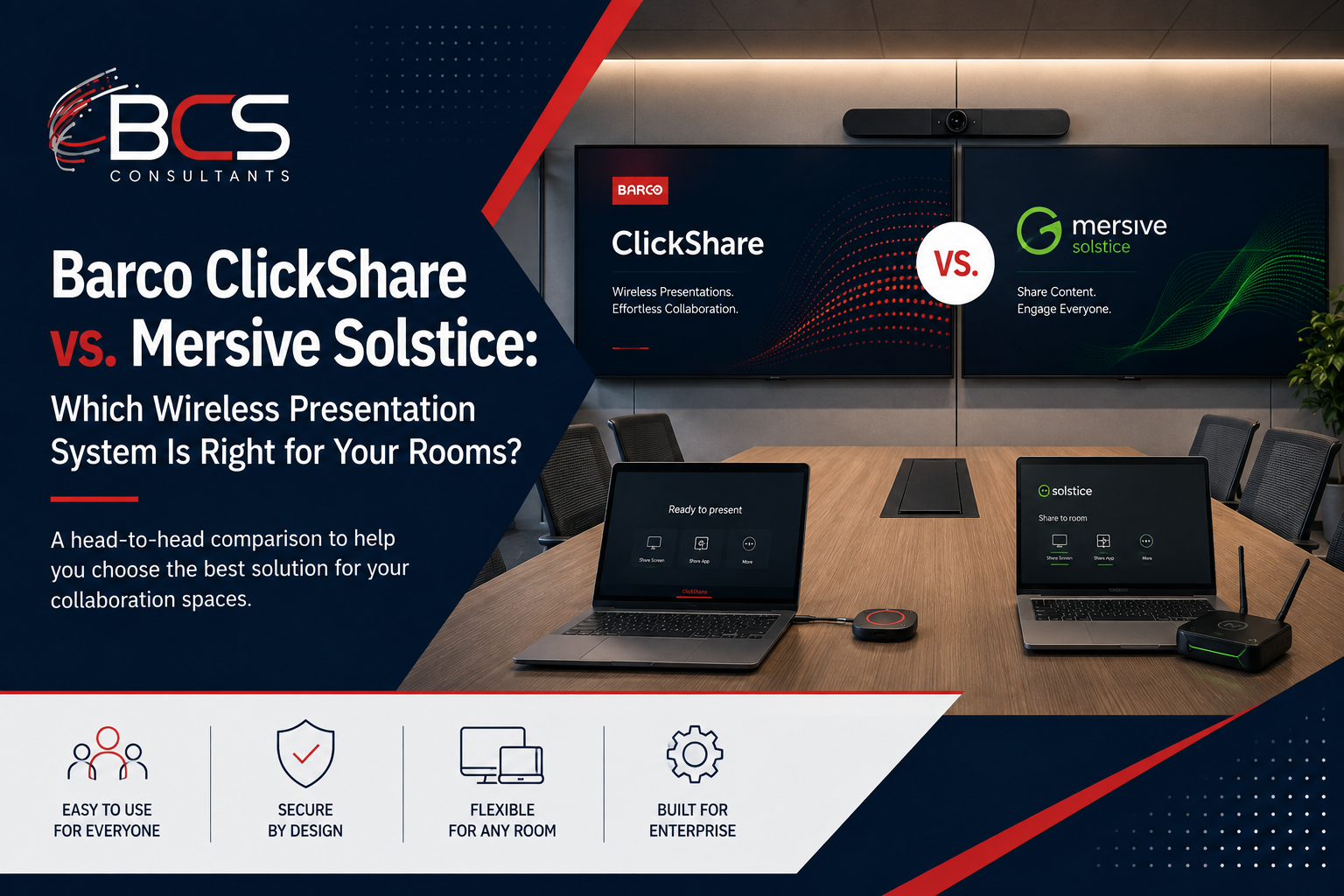
When organizations evaluate wireless presentation systems for their conference rooms, two platforms consistently appear at the top of the shortlist: Barco ClickShare and Mersive Solstice. Both solve the same fundamental problem — allowing any presenter with any device to share content to the room display without cables or adapters — but they take meaningfully different approaches.

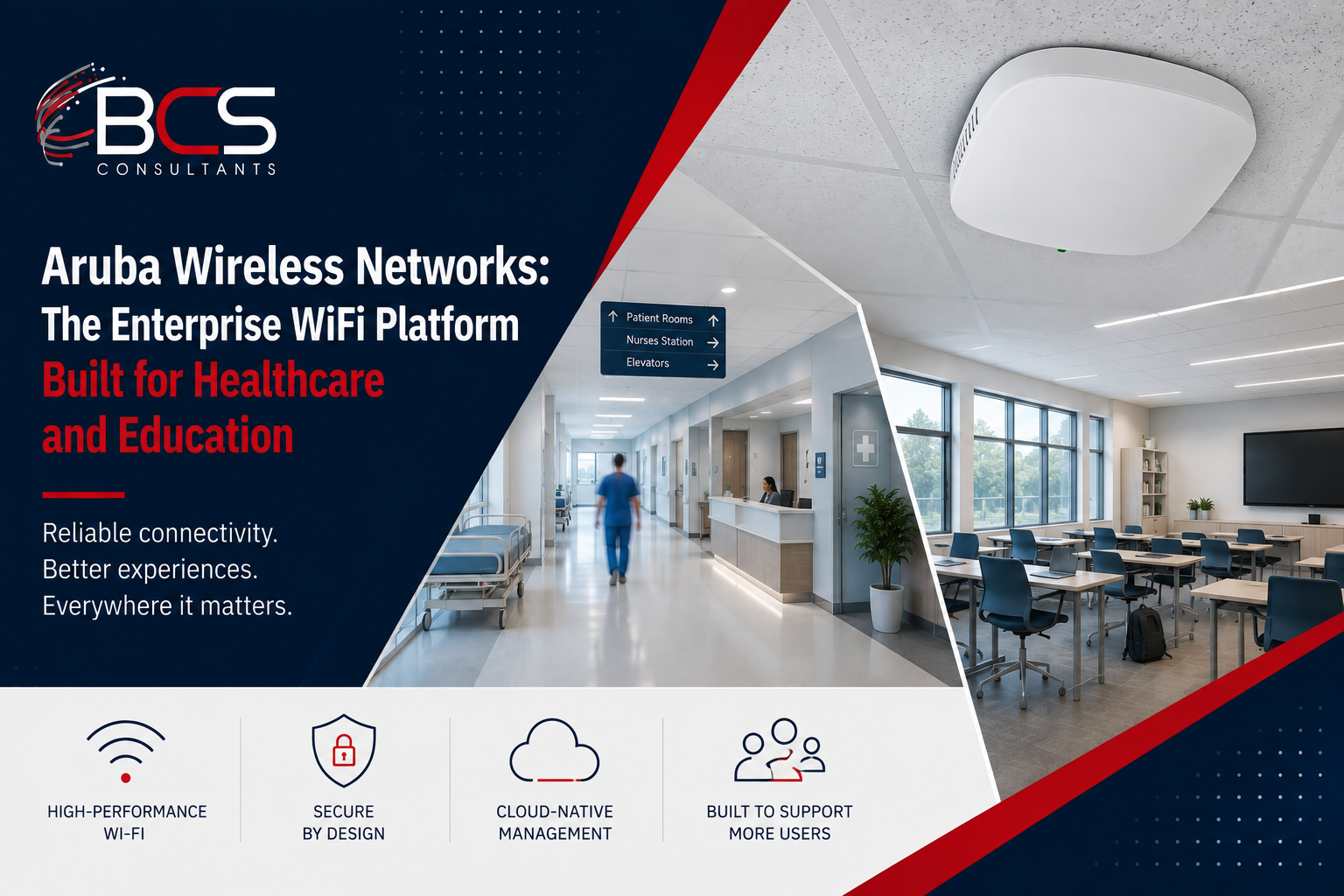
Aruba Wireless Networks: The Enterprise WiFi Platform Built for Healthcare and Education

Cisco Meraki and Aruba (HPE) are the two dominant enterprise wireless platforms, and most organizations that are serious about enterprise WiFi end up evaluating both. The right choice depends on your environment, your existing infrastructure, your IT team's preferences, and the specific performance requirements of your applications.

Wireless Conferencing Technology: Why Your Business Should Invest

Wireless Conferencing Technology: Why Your Business Should Invest

Wireless conferencing technology has become a baseline expectation in modern meeting rooms. The era of digging through a drawer for the right cable, hunting for the matching adapter, and apologizing for the delay is over.

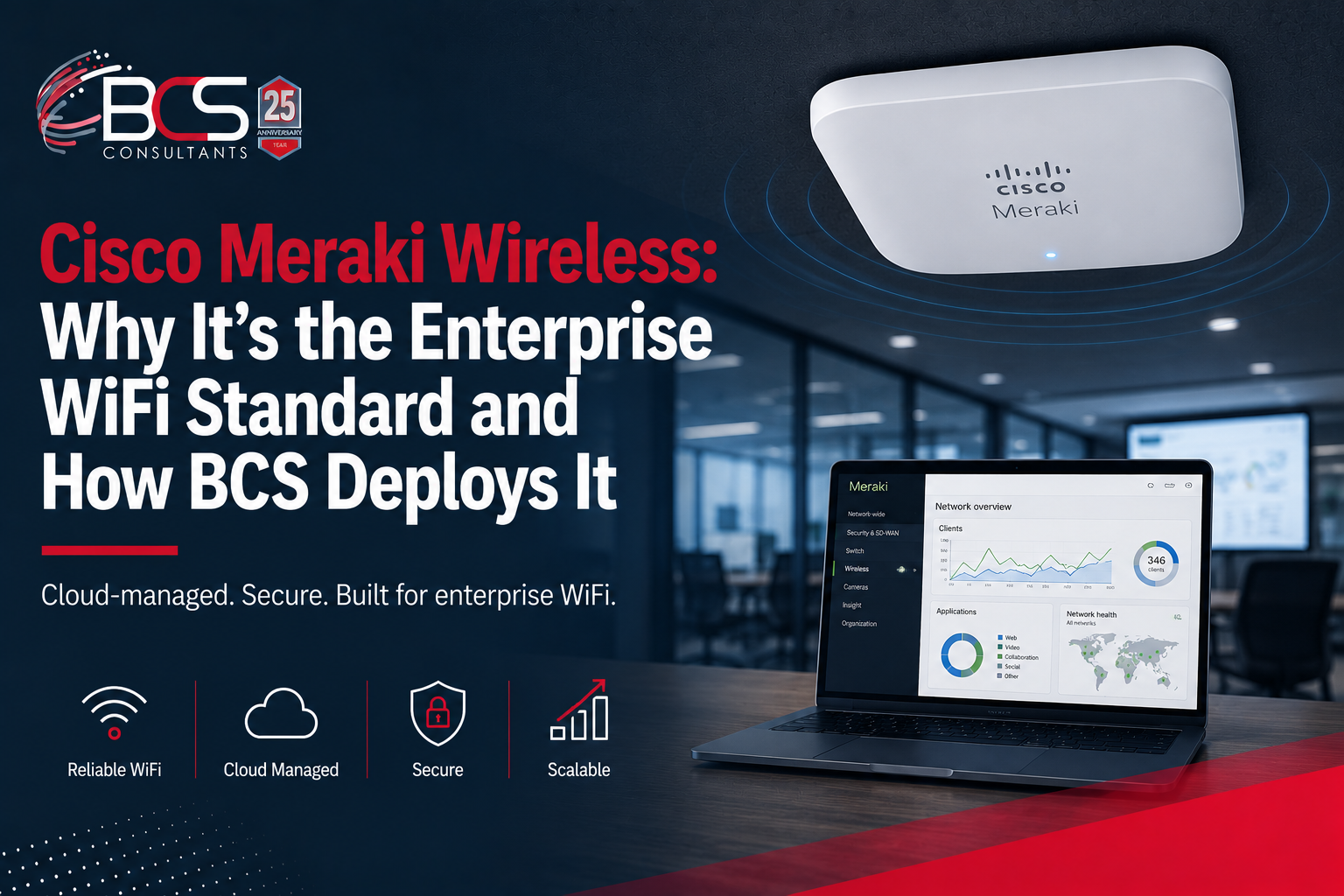
Cisco Meraki Wireless: Why It’s the Enterprise WiFi Standard and How BCS Deploys It

Cisco Meraki is the most widely deployed enterprise wireless platform in the world, and for the organizations that manage it daily, the reason is consistent: it works, it scales, and it is manageable in a way that most enterprise IT products are not.

BCS Consultants is a certified Cisco Meraki partner.

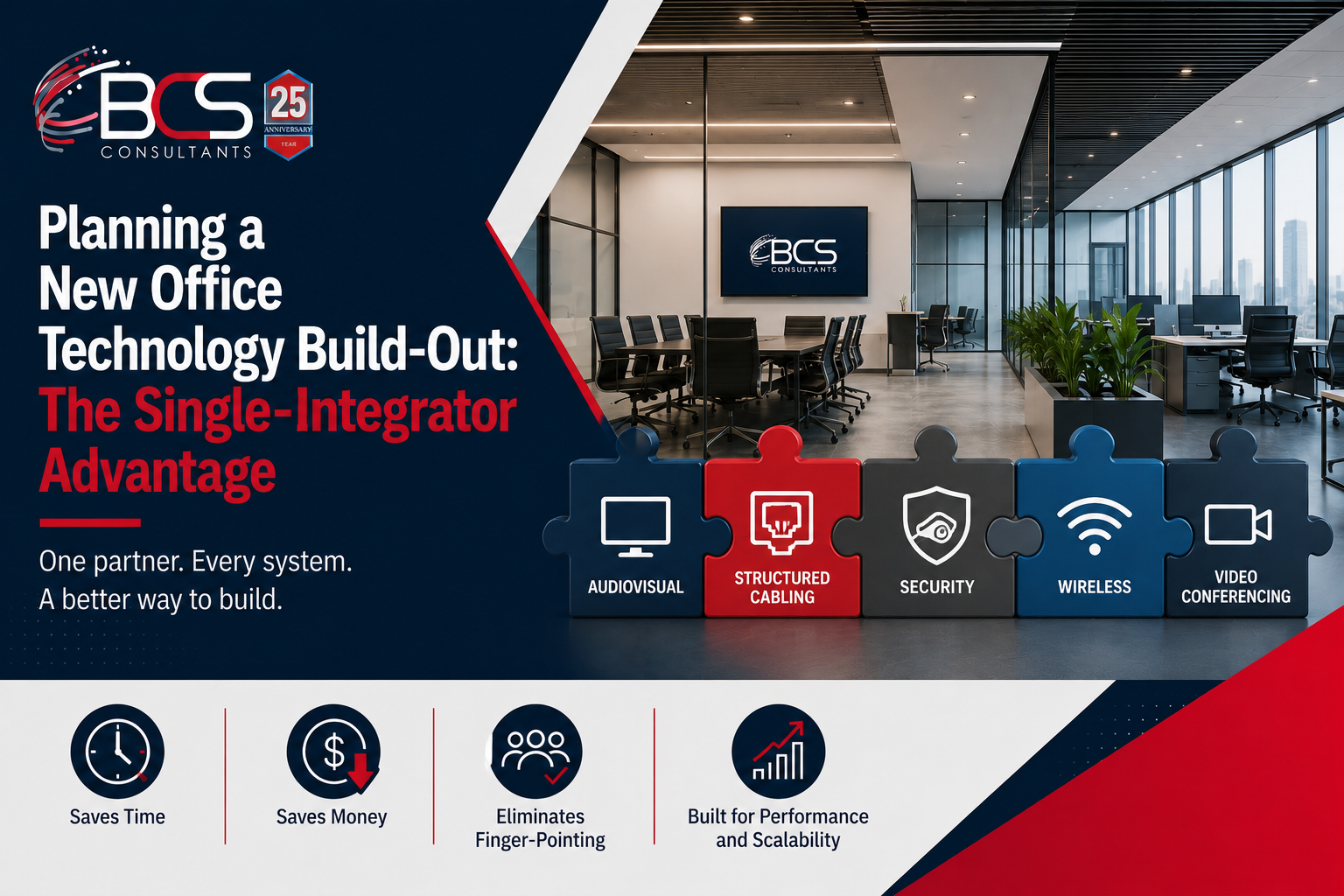
Planning a New Office Technology Build-Out: The Single-Integrator Advantage

New office build-outs and major renovations are where technology infrastructure decisions have the most long-lasting consequences — and where the most costly mistakes are made. The decisions about structured cabling, wireless access point placement, AV infrastructure, and security system architecture that are made during construction determine how well the office functions for the next decade or more.

Wireless Access Points for Business: What You Need & How to Deploy

Wireless Access Points for Business: What You Need and How to Deploy Them

Wireless access points for business environments are not interchangeable commodities. The model you choose, the way you place them, and the cabling and switching behind them determine whether your WiFi network performs reliably under real load or quietly frustrates users every day.

Wireless Access Point for Business: Benefits, Types & How to Deploy

Wireless Access Point for Business: Benefits, Types & Deployment
A reliable wireless access point is the difference between a business WiFi network that quietly does its job and one that drains productivity every day. Whether you run a small office, a multi-floor headquarters, or a campus environment, the access points you choose — and how you deploy them — shape every wireless experience your team and your visitors have.

Understanding the Landscape of Wireless Networks: Types, Models, and Categories

Wireless connectivity has become the foundation of modern communication, enabling businesses and individuals to stay connected without the limitations of physical cabling. From corporate offices and educational institutions to healthcare facilities and smart homes, wireless networks provide the flexibility, mobility, and scalability required to support today's digital environments.

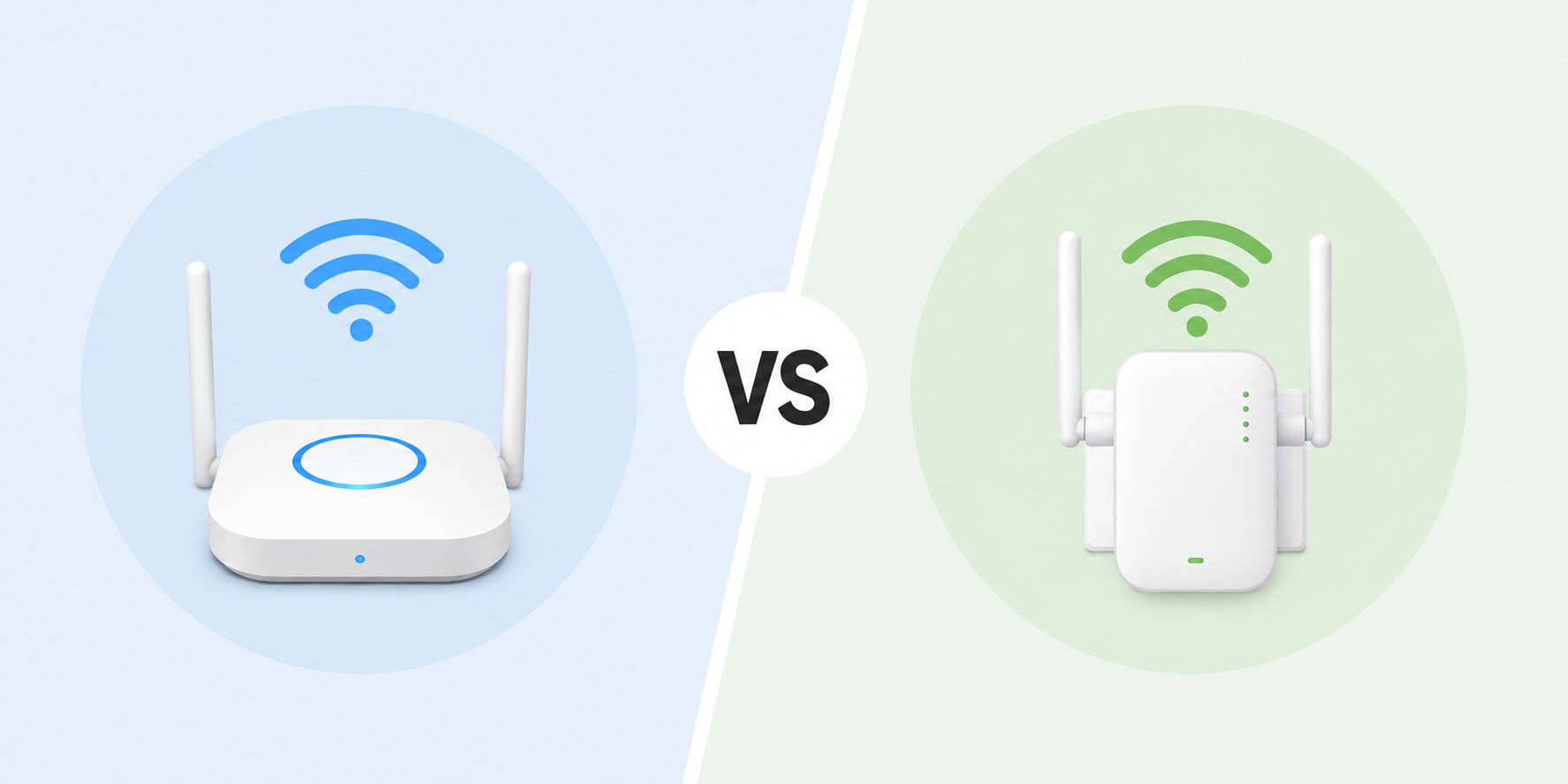
What Is a Wireless Access Point and Wireless Repeater? Explained Simply

A reliable wireless solution is essential for modern businesses and homes that depend on fast, stable internet connectivity. Whether you are dealing with weak WiFi signals, dead zones, or growing network demands, understanding the difference between a wireless access point and a wireless repeater can help you choose the right networking setup.