Sound Masking for Call Centers: How to Improve Agent Focus and Call Quality
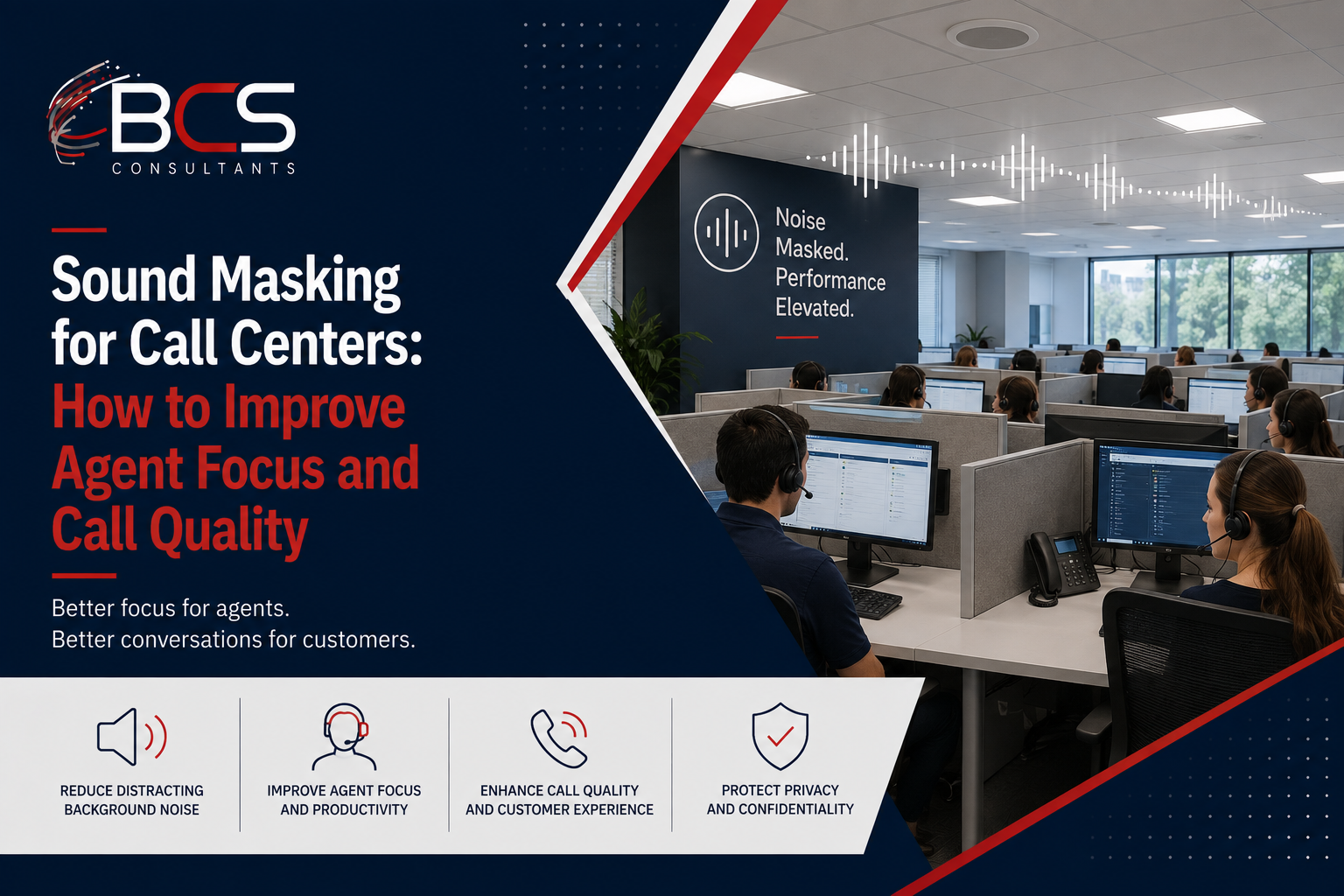
The call center is the most acoustically demanding open-plan work environment in the commercial world. Every agent is simultaneously on a call — talking, listening, and processing information — while surrounded by the sound of dozens of other agents doing the same thing.

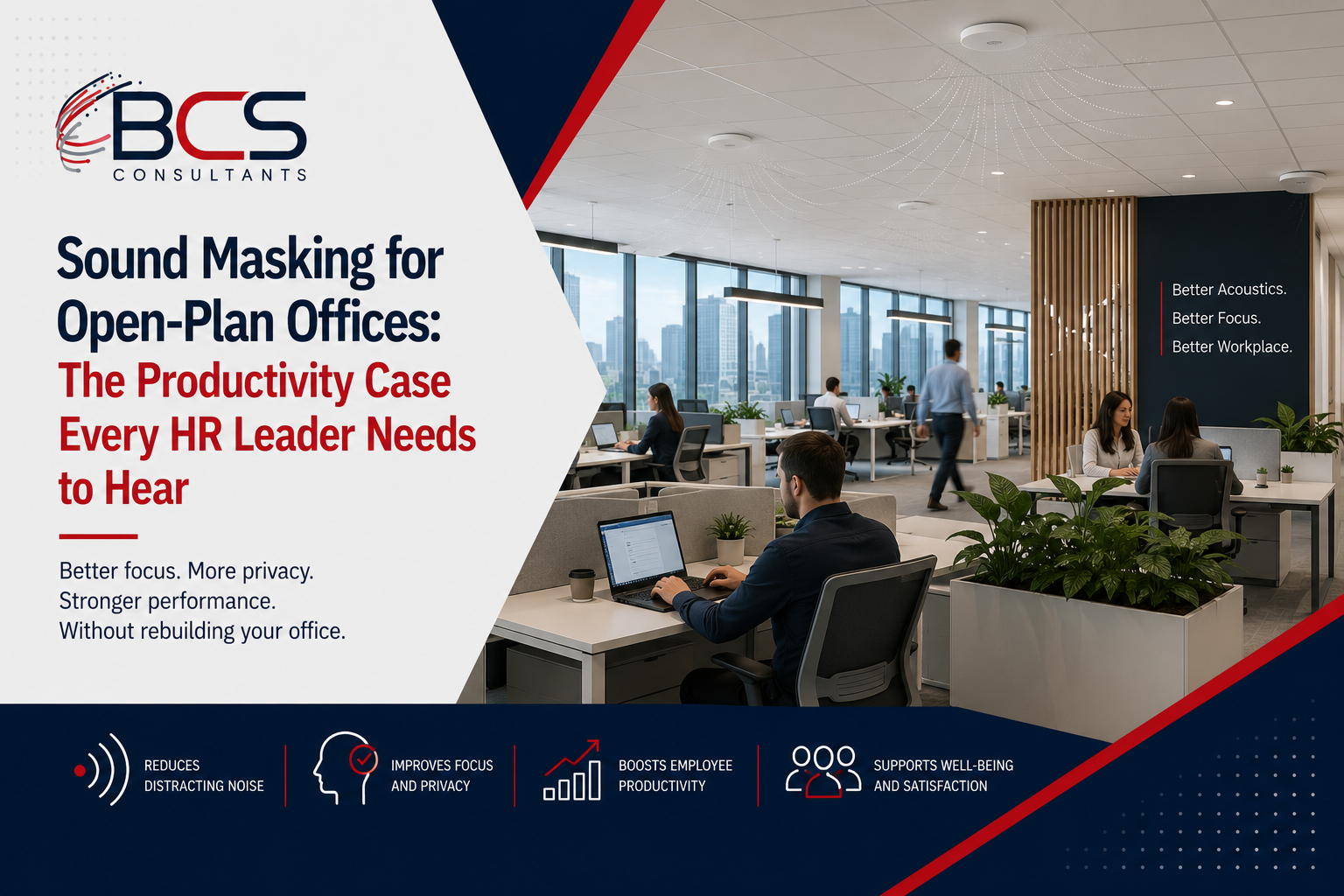
Sound Masking for Open-Plan Offices: The Productivity Case Every HR Leader Needs to Hear

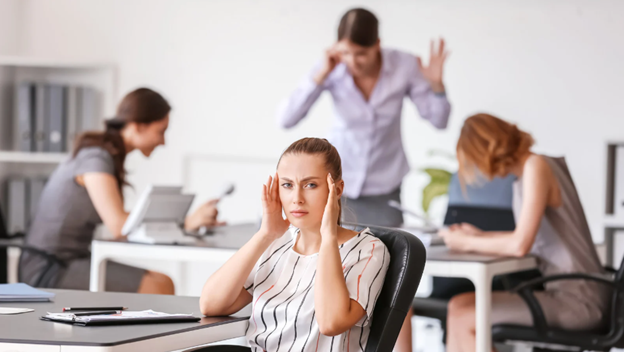
The open-plan office was designed to foster collaboration. The research on what it actually produces tells a different story. Studies across workplace design, cognitive psychology, and organizational behavior consistently find that uncontrolled noise is the leading source of dissatisfaction in open-plan work environments — and that the cognitive cost of acoustic distraction is significant, measurable, and directly linked to the inability of employees to do their best work.

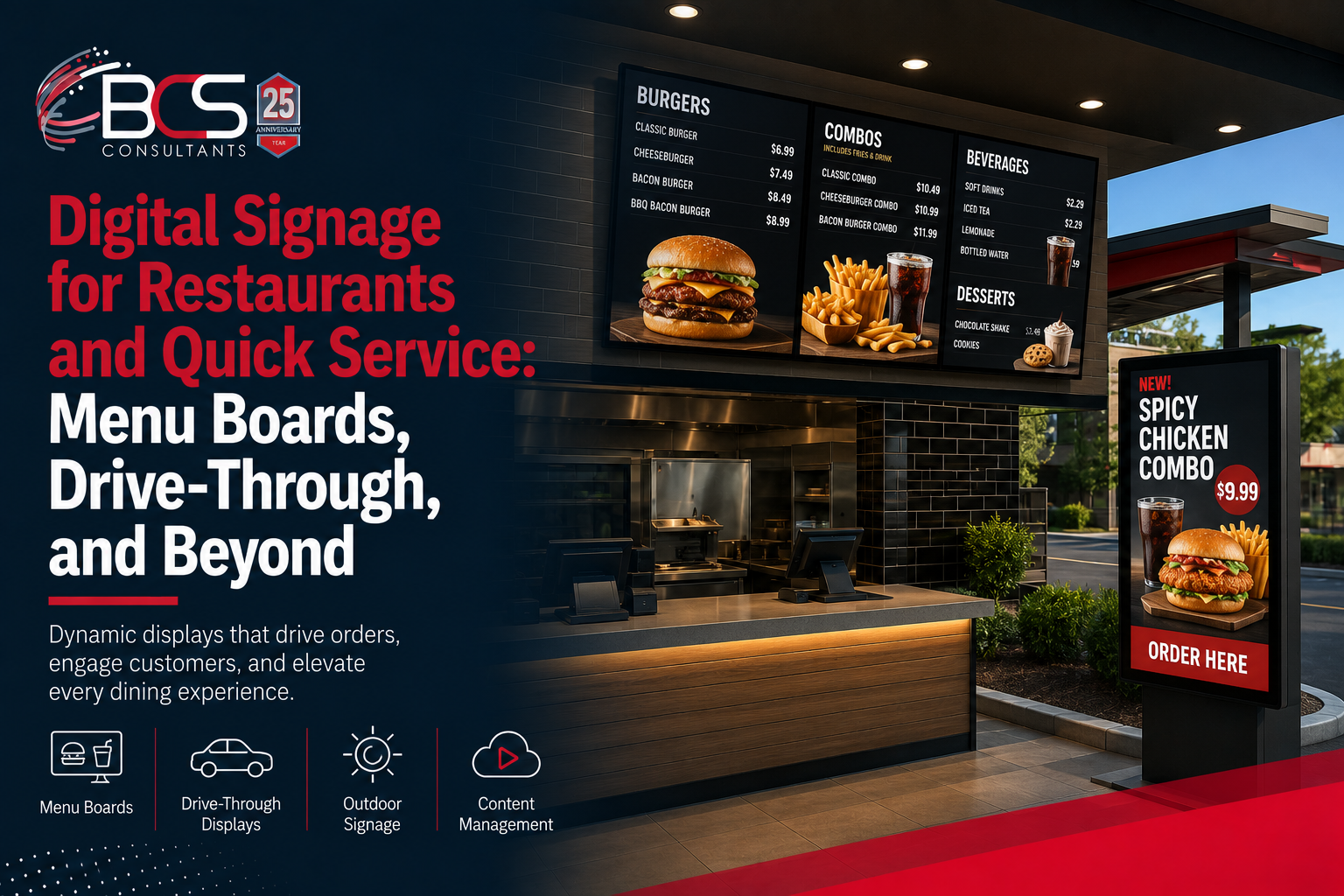
Digital Signage for Restaurants and Quick Service: Menu Boards, Drive-Through, and Beyond

Confidentiality is not optional in a law office or financial institution — it is a professional and regulatory requirement. Attorney-client privilege demands that client communications remain protected from disclosure. Financial privacy regulations require that client account information, financial discussions, and advisory conversations are not overheard by unauthorized parties.

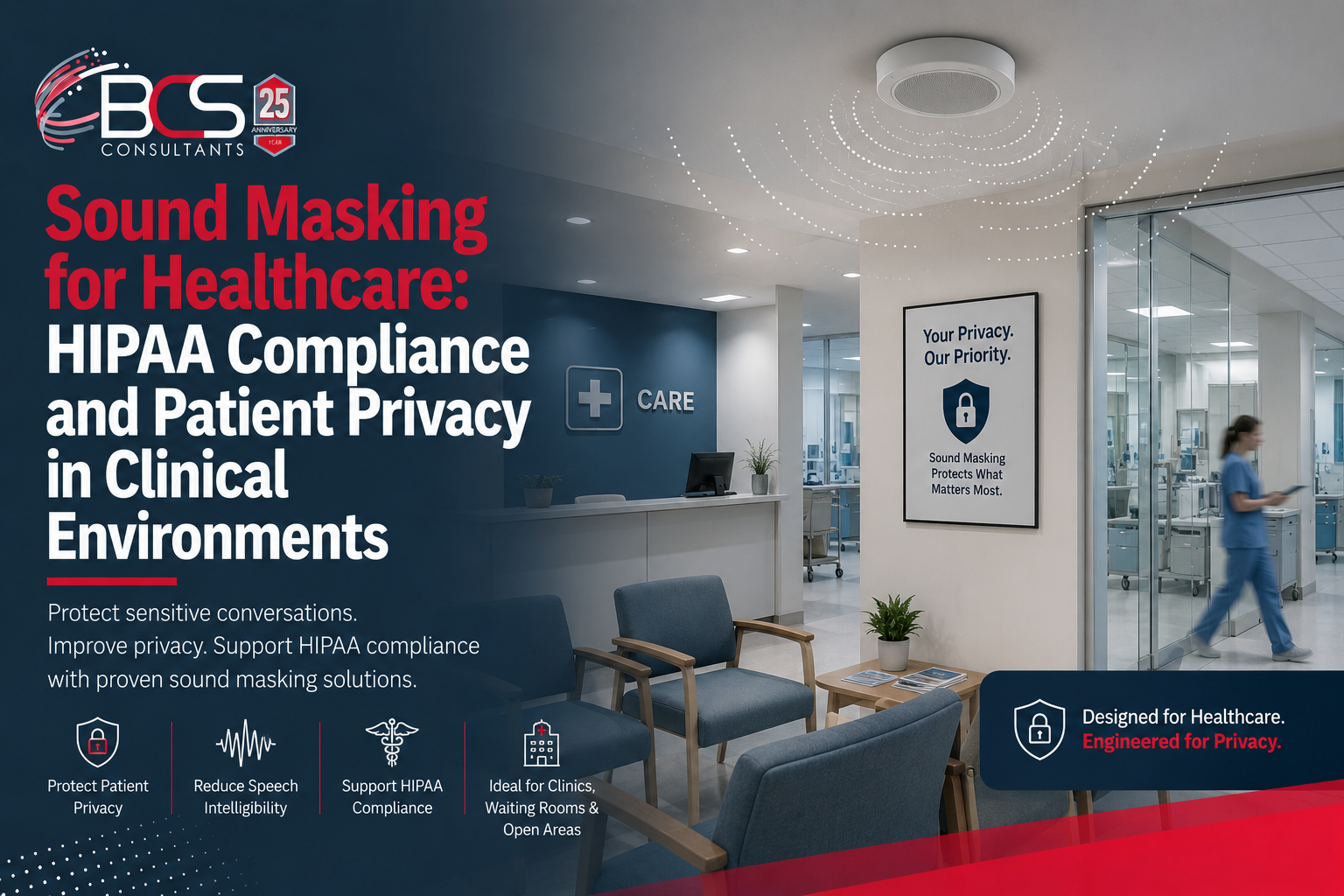
Sound Masking for Healthcare: HIPAA Compliance and Patient Privacy in Clinical Environments

The HIPAA Privacy Rule requires covered entities to implement reasonable safeguards to protect protected health information from incidental disclosure. In a healthcare setting, this means that a patient discussing their condition with a clinician, providing insurance information to a receptionist, or describing symptoms to a nurse should not be overheard by other patients in the waiting room, other staff in adjacent areas, or visitors passing through corridors.

Sound Masking Systems for Office: Why Open Workplaces Need Them


Sound Masking Systems for Offices: Why Open Workplaces Need Them

Open office layouts were supposed to make teams more collaborative. In practice, they made conversations harder to hold, focus harder to find, and confidentiality almost impossible to protect.

Privacy Productivity and Sound Why Sound Masking Is No Longer Optional

In today’s workplaces, noise is no longer just an annoyance; it’s a risk. As offices become more open, healthcare environments become more collaborative, and enterprise spaces more dynamic, conversations travel farther than intended. That’s where sound masking has shifted from a “nice-to-have” to a business-critical solution.

The Hidden Cost of Noise

In modern offices, hospitals, and schools, noise is more than just an annoyance; it’s a productivity killer and a privacy risk. Studies show that even a short overheard conversation can take several minutes of focus away from someone trying to work. In environments like healthcare or financial services, background chatter doesn’t just distract; it can also compromise confidential information.

Office Sound Masking Systems: Essential Guide 2025

In 2025, office design has entered a new era, driven by open-plan spaces, hybrid work models, and a heightened focus on employee productivity and privacy. As collaboration spaces become more prevalent, managing sound and maintaining confidentiality are becoming increasingly critical challenges.

Sound Masking For Your Business A Quiet Revolution

In today's fast-paced, open-plan work environments, the constant buzz of activity can be more than just a distraction - it can be a productivity killer. Don't let noise put a damper on your team's focus and efficiency.

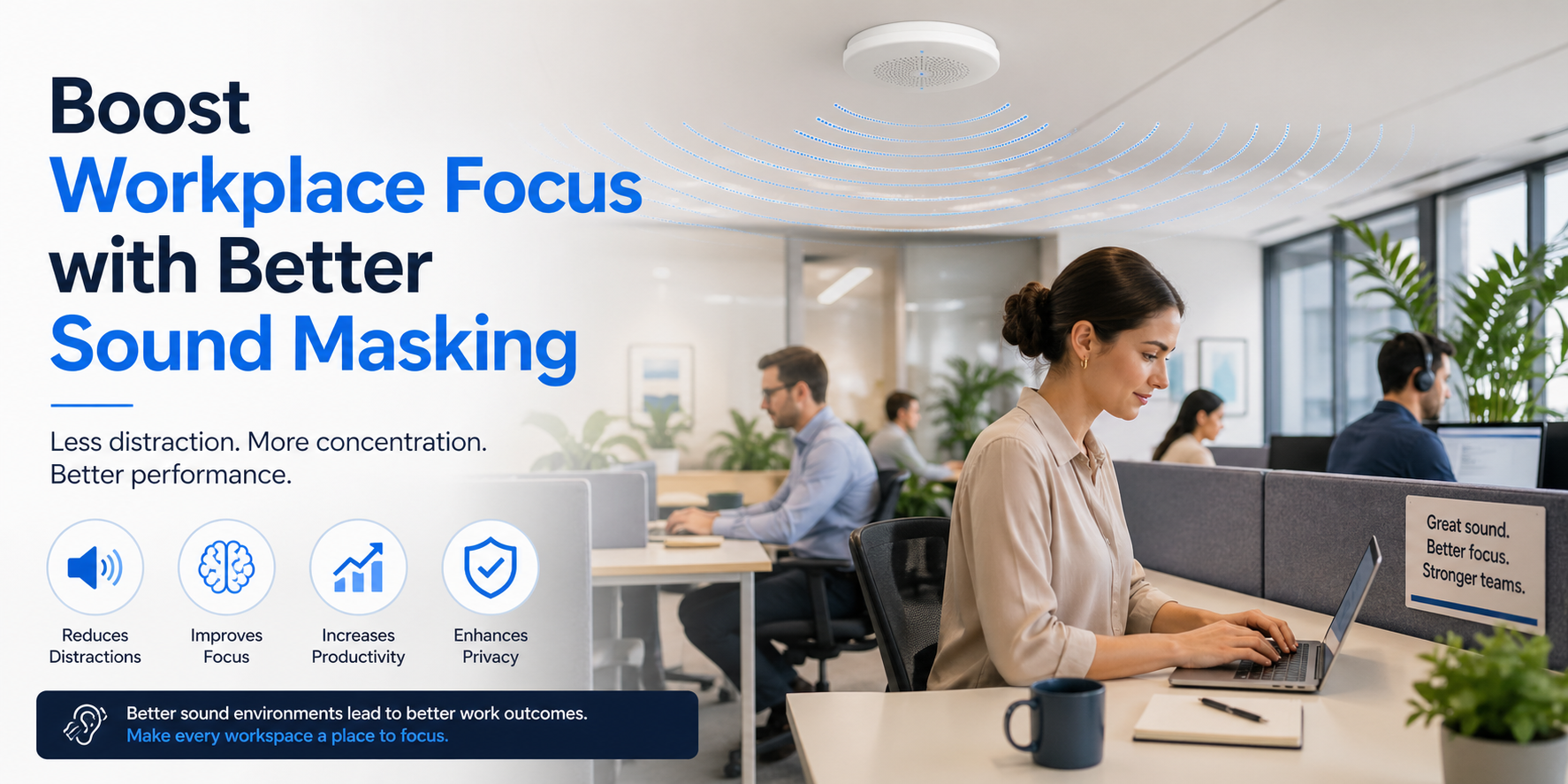
Pink Noise vs White Noise: Boost Workplace Focus with Better Sound Masking

Modern workplaces, especially open-plan offices, are increasingly facing challenges related to noise distractions. From casual conversations and ringing phones to HVAC systems and office equipment, unwanted sound can significantly impact employee focus, productivity, and overall well-being.