
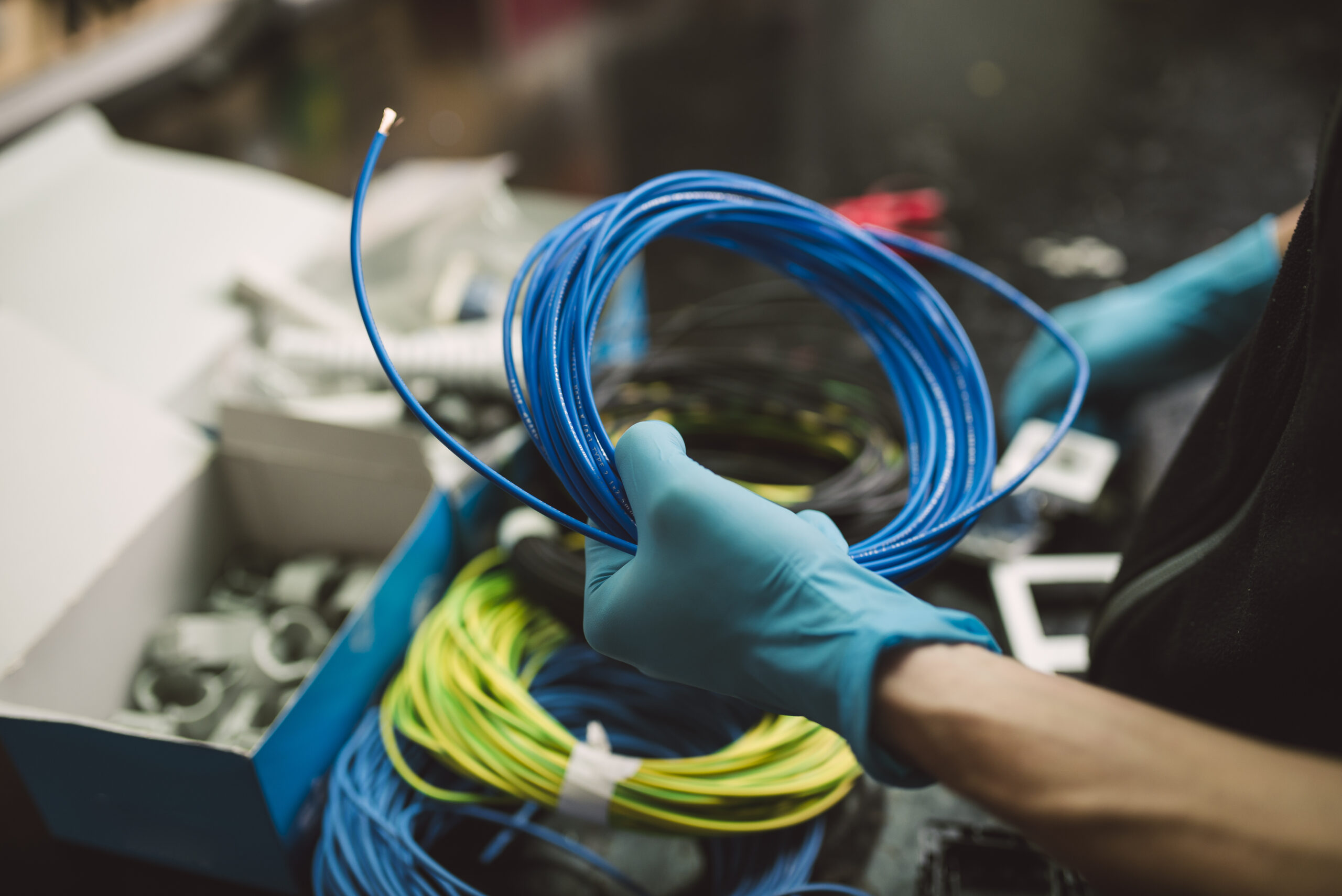
The need for fast, stable, and scalable data transmission has become central to how businesses operate and how people stay connected. From cloud computing to real-time communication, modern systems rely on infrastructure that can handle massive amounts of data without delays or interruptions. This is where fiber optics solutions stand out as a powerful and future-ready technology.
Fiber optics have reshaped the digital landscape by enabling high-speed communication through light-based transmission. This article explains how fiber optics work, the science behind them, and why they are the preferred choice for modern networks.
1. What Are Fiber Optic Cables and Why Are They Used for High-Speed Data?
Fiber optic cables are communication cables that transmit data in the form of light signals through thin strands of glass or plastic. Unlike traditional copper cables, which use electrical signals, fiber optics rely on light to carry information at extremely high speeds.
Key Features of Fiber Optic Cables:
- Extremely thin strands (often thinner than a human hair)
- Made from glass or high-grade plastic
- Capable of transmitting large volumes of data quickly
- Minimal signal degradation over long distances
Why Fiber Optics Are Preferred Over Copper
Copper cables have served communication networks for decades, but they come with limitations such as slower speeds, higher signal loss, and vulnerability interference. Fiber optics overcome these issues by offering:
- Much higher data transfer rates
- Greater bandwidth capacity
- Strong resistance to environmental interference
- Better performance over long distances
Organizations investing in advanced fiber optic design can build networks that are scalable, efficient, and ready for future demands.
2. The Science Behind Fiber Optic Data Transmission
Fiber optics may seem complex, but the principles behind them are rooted in simple physics concepts. These principles allow data to travel quickly and accurately through light.
Light Pulses: How Data Is Carried
Data in fiber optic systems is transmitted as pulses of light. These pulses represent binary data (1s and 0s), which are interpreted by receiving devices. Because light travels faster than electrical signals, data transmission speeds increase significantly.
Total Internal Reflection: Guiding the Light
A key concept in fiber optics is total internal reflection. When light enters the fiber core, it reflects repeatedly off the walls of the cladding instead of escaping. This reflection keeps the light moving forward through the cable.
Core and Cladding: The Structure That Makes It Work
Fiber optic cables consist of two essential layers:
- Core: The central pathway where light travels
- Cladding: A surrounding layer that reflects light back into the core
This design keeps the signal contained and prevents loss, making long-distance transmission possible.
Single-Mode vs. Multi-Mode Fibers
Different applications require different types of fiber:
Single-Mode Fiber
- Small core diameter
- Allows one path for light
- Ideal for long-distance communication
- High bandwidth and minimal signal loss
Multi-Mode Fiber
- Larger core diameter
- Supports multiple light paths
- Suitable for shorter distances
- Common in office networks and data centers
Selecting the right type is a critical part of effective fiber optic solutions, depending on distance and performance needs.
3. How Fiber Optics Deliver Faster and More Reliable Speeds
Fiber optics are known for delivering exceptional performance. Several factors contribute to their speed and reliability.
Higher Bandwidth
Fiber optic cables can carry much more data than copper cables. This allows businesses to handle high-demand applications such as streaming, cloud computing, and large data transfers without slowdowns.
Low Signal Loss
Signal loss, also known as attenuation, is significantly lower in fiber optics. This means data can travel longer distances without needing frequent boosting or amplification.
Immunity to Electromagnetic Interference
Fiber optic cables are not affected by electromagnetic interference. This makes them ideal for environments with heavy electrical equipment, where copper cables might fail or degrade.
Efficient Long-Distance Transmission
Fiber optics can transmit data over hundreds of kilometers with minimal degradation. This efficiency supports:
- Global communication networks
- Intercity connections
- Enterprise-wide systems
Effective fiber optic management helps maintain this performance through monitoring and proper infrastructure planning.
4. Components That Make Fiber Optics Work Efficiently
A complete fiber optic system includes several components that work together to transmit and receive data accurately.
Optical Transmitters and Receivers
- Transmitters convert electrical signals into light signals
- Receivers convert light signals back into electrical data
These components are essential for communication between devices.
Light Sources: LEDs and Lasers
Fiber optic systems use light sources to generate signals:
- LEDs are used for short-distance communication
- Lasers are used for high-speed, long-distance transmission
Lasers provide more focused and powerful light, making them suitable for demanding applications.
Fiber Strands
The fiber strands themselves are engineered for durability and efficiency. High-quality fiber optic design ensures optimal signal transmission and minimal loss.
Connectors and Network Equipment
Connectors join fiber cables and link them to network devices. Other important equipment includes:
- Patch panels
- Switches and routers
- Optical amplifiers
Proper installation and ongoing fiber optic services are essential to keep all components functioning correctly.
5. Real-World Applications of High-Speed Fiber Optic Technology
Fiber optics are used across a wide range of industries due to their speed, reliability, and flexibility.
Internet Infrastructure
Fiber optics form the backbone of modern internet services. They support high-speed broadband connections for homes and businesses.
Business Networks
Companies rely on fiber optic solutions for:
- Secure data transfer
- Cloud-based operations
- Seamless communication systems
- Remote work infrastructure
Data Centers
Data centers use fiber optics to handle massive data volumes. The technology supports fast processing, low latency, and scalable systems.
Telecommunications
Telecom providers use fiber optics to deliver voice, video, and data services. This includes support for mobile networks and global communication systems.
Medical and Industrial Applications
Fiber optics are also used in specialized fields such as:
- Medical imaging and diagnostics
- Industrial automation systems
- Military and aerospace communication
Professional fiber optic services play a vital role in installing and maintaining these advanced systems.
6. Conclusion
Reliable connectivity is no longer optional—it is the foundation of modern business operations. Fiber optics deliver the speed, consistency, and scalability required to support data-heavy applications, real-time communication, and future technologies. By transmitting information through light, fiber networks outperform traditional systems in both efficiency and long-term value.
However, achieving these benefits depends on more than just installing fiber cables. It requires thoughtful planning, precise fiber optic design, and ongoing fiber optic management to keep networks running at peak performance. This is where working with experienced professionals becomes critical.
BCS Consultants brings deep industry expertise, proven methodologies, and dependable fiber optic services to help organizations build strong, high-performance network infrastructures. From initial planning to deployment and ongoing support, their team focuses on delivering reliable fiber optics solutions that align with business goals and evolving technology demands.
For organizations looking to stay competitive, reduce downtime, and support growing data needs, investing in a professionally designed fiber optic network is a smart and future-focused decision—and partnering with a trusted provider like BCS Consultants makes that transition seamless and effective.
Call us at +1 (949)-828-0078 to discuss your requirements and take the next step toward a faster, more reliable network.
Frequently Asked Questions (FAQs)
1. What are fiber optics solutions used for?
Fiber optics solutions are used for high-speed data transmission in internet networks, business systems, telecommunications, and data centers.
2. What is the difference between single-mode and multi-mode fiber?
Single-mode fiber is used for long-distance communication with higher bandwidth, while multi-mode fiber is used for shorter distances and local networks.
3. How does fiber optic management improve performance?
Fiber optic management involves monitoring, organizing, and maintaining network infrastructure to reduce downtime and maintain consistent performance.
4. Are fiber optic services necessary for businesses?
Yes, professional fiber optic services help with installation, maintenance, and troubleshooting, ensuring reliable and efficient network operations.
This detailed understanding of fiber optics highlights why they are essential for modern communication and how they continue to shape the future of connectivity.