
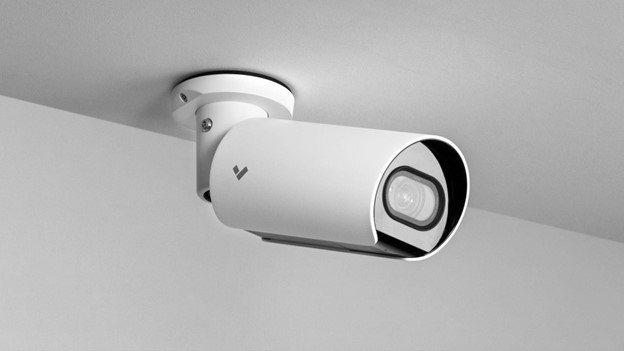
As organizations expand across multiple campuses, locations, or regions, security challenges grow more complex—and more interconnected. Managing access, monitoring activity, and maintaining consistent policies across multiple sites introduces layers of risk that simply don’t exist in single-building environments. What works for one facility often breaks down when replicated at scale, leading to fragmented systems, limited visibility, and increased operational burden on security teams.
Looking toward 2026 and beyond, effective security is no longer defined by individual devices or standalone platforms. It’s defined by how well systems work together. Future-ready security requires a unified, intelligent ecosystem where access control, video surveillance, and analytics are centrally managed, seamlessly integrated, and designed to adapt as the organization evolves.
This shift demands a holistic approach to security planning—one that considers not just today’s needs, but tomorrow’s growth. When security is designed as an interconnected strategy rather than a collection of tools, organizations gain stronger protection, clearer insight, and the flexibility to scale without compromising safety or efficiency.
The Challenge of Securing Multiple Campuses
Multi-campus environments face unique security demands: different building types with varying risk profiles, distributed teams managing access and monitoring, inconsistent legacy systems across locations, and limited visibility into real-time security events. Without a centralized strategy, organizations often end up with fragmented tools, reactive processes, and gaps that put people and assets at risk.
From Standalone Systems to a Unified Security Ecosystem
Modern security strategies move beyond disconnected cameras or badge readers. Instead, they integrate access control, video surveillance, and system analytics into a single operational view. A unified approach enables centralized management across all locations, consistent security policies and permissions, faster response to incidents, and simplified reporting and compliance. Platforms like Verkada exemplify this shift—bringing cloud-based visibility, scalability, and ease of management to complex, multi-site environments.
Access Control That Scales with Your Organization
Access control is often the backbone of a security strategy. For multi-campus organizations, scalability and flexibility are critical. Future-ready access control systems allow organizations to manage users and permissions centrally, adapt quickly to staffing or tenant changes, support mobile credentials and touchless entry, and maintain consistent security standards across sites. When access control is designed to scale, growth doesn’t introduce risk—it strengthens resilience.
Video Surveillance as an Intelligence Tool
Today’s video systems do more than record footage. They provide actionable insights that improve safety and operational efficiency. Across multiple campuses, integrated video surveillance enables real-time visibility from anywhere, faster investigation with centralized search and playback, proactive monitoring of patterns and anomalies, and reduced reliance on on-site resources. When video and access systems work together, organizations gain context—not just data.
Why Security Audits Matter More Than Ever
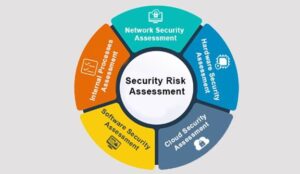
A future-ready strategy starts with understanding your current state. Security audits help identify gaps between locations, outdated or unsupported technologies, inconsistent policies or access levels, and opportunities for integration and automation. Regular audits ensure security evolves alongside your organization—rather than lagging behind it.
Planning Holistically for 2026 and Beyond
Security planning can no longer be reactive. Cloud-managed platforms, smarter analytics, and integrated systems are setting a new baseline for what organizations should expect from their security infrastructure. A holistic strategy considers long-term scalability, user experience and administrative efficiency, cybersecurity and data protection, and integration with future technologies. When security is designed as a system—not a collection of products—it becomes a strategic advantage.
The Bottom Line
Multi-campus organizations need security strategies that are as dynamic as the environments they protect. By integrating access control, video, and centralized management into a cohesive ecosystem, organizations can improve safety, simplify operations, and prepare confidently for the future. Future-ready security isn’t about adding more tools. It’s about building the right foundation.
You must be logged in to post a comment.