
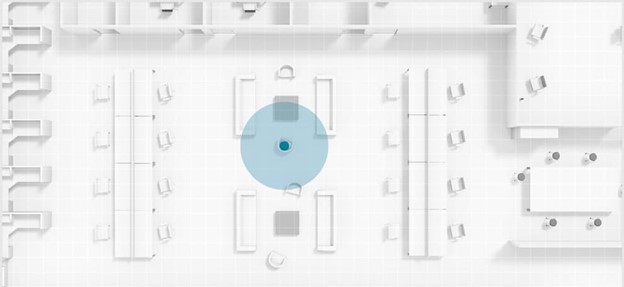
Customer service environments are designed to facilitate communication, but they often struggle with a common challenge: acoustic privacy. In spaces such as reception desks, help counters, hospital registration areas, and financial service centers, conversations frequently involve sensitive information. When these discussions are easily overheard, it can compromise privacy, reduce customer confidence, and create uncomfortable experiences.
Sound masking has emerged as an effective solution for organizations seeking to balance open communication with acoustic privacy. By subtly introducing background sound into a space, sound masking systems reduce speech intelligibility and help protect confidential conversations without disrupting the customer experience.
For organizations focused on delivering professional, secure, and comfortable service environments, sound masking is becoming an essential part of modern facility design.
The Privacy Challenge in Customer Service Spaces

Customer-facing environments are often busy, open, and acoustically reflective. These characteristics make it easy for nearby individuals to overhear conversations that were meant to remain private.
Common environments where this occurs include:
- Hospital reception and registration areas
- Financial service counters and banking halls
- Corporate front desks
- Government service centers
- Insurance and consultation offices
In these settings, conversations may involve personal identification details, financial information, or medical data. Without proper acoustic management, these discussions can be unintentionally exposed to surrounding customers.
Beyond privacy concerns, excessive speech noise also contributes to stress, distractions, and longer service times, affecting both staff productivity and the customer experience.
What Is Sound Masking?

Sound masking is a technology that introduces a carefully engineered ambient sound into an environment. Unlike white noise, modern sound masking systems generate a balanced and unobtrusive background sound designed specifically to reduce the intelligibility of nearby conversations.
The goal is not to make spaces louder, but to create a consistent acoustic backdrop that makes speech fade into the background beyond a short distance.
When implemented correctly, sound masking can:
- Improve speech privacy
- Reduce distractions in open environments
- Create a more comfortable acoustic atmosphere
- Support regulatory and privacy compliance
Because the sound blends into the natural background of a space, most occupants quickly stop noticing it, while still benefiting from the improved acoustic environment.
Key Benefits for Customer Service Environments
Enhanced Speech Privacy
One of the primary advantages of sound masking is its ability to protect sensitive conversations. By reducing how clearly speech travels across a room, it prevents nearby individuals from easily understanding discussions at service counters.
This is particularly valuable in industries where confidentiality is essential, such as healthcare, finance, and government services.
Improved Customer Comfort
Customers often feel uncomfortable discussing personal matters when they believe others may overhear them. Sound masking helps create a sense of privacy and security, encouraging more open and confident communication with service staff.
A comfortable acoustic environment contributes to a more professional and trustworthy experience.
Reduced Noise Distractions for Staff
Customer service teams often work in environments where multiple conversations happen simultaneously. Without acoustic control, this can lead to constant background chatter that disrupts focus.
Sound masking helps by blending speech sounds into the background, making it easier for staff to concentrate on the customer directly in front of them.
This can improve:
- Communication clarity
- service efficiency
- staff satisfaction
Seamless Integration with Modern Spaces
Modern customer service environments frequently use open layouts, glass partitions, and hard surfaces for aesthetic and functional reasons. While visually appealing, these materials tend to amplify speech and reflections.
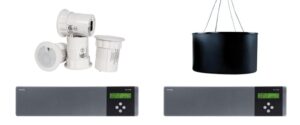
Sound masking systems are designed to integrate seamlessly with these environments, often installed in ceilings or integrated with existing infrastructure to provide consistent acoustic coverage across a space.
Real-World Applications
Organizations across multiple sectors are adopting sound masking to improve both privacy and operational performance.
Healthcare Facilities
In hospitals and clinics, reception and registration areas handle highly sensitive patient information. Sound masking helps protect patient confidentiality while maintaining a welcoming, open environment.
Financial Institutions
Banks and financial advisory centers regularly discuss personal financial details with clients. Sound masking reduces the risk of nearby customers overhearing sensitive conversations.
Corporate Offices
Front desks and visitor management areas benefit from sound masking by preventing nearby waiting visitors from overhearing discussions related to business operations or personal details.
Government Service Centers
Public service facilities often process identification documents, legal information, and personal records. Sound masking supports privacy while maintaining efficient service interactions.
The Future of Acoustic Design
As organizations continue to adopt open and collaborative environments, acoustic privacy will remain a critical design consideration.
Sound masking is increasingly becoming part of integrated building technology strategies, working alongside audio-visual systems, smart building controls, and workplace design to create more functional and comfortable environments.
Advancements in digital sound masking technology now allow systems to be fine-tuned for specific environments, ensuring optimal performance without disrupting the natural atmosphere of a space.
For organizations focused on improving customer experience, operational efficiency, and privacy protection, sound masking represents a practical and scalable solution.
Customer service environments depend on clear communication, but they also require privacy, comfort, and professionalism. Without proper acoustic management, open service areas can unintentionally expose sensitive conversations and create distracting environments for both customers and staff.
Sound masking offers a proven way to enhance speech privacy, reduce noise distractions, and create a more secure and comfortable experience in customer-facing spaces.
As organizations continue to modernize their facilities, incorporating thoughtful acoustic solutions like sound masking will play an important role in delivering better service environments.
You must be logged in to post a comment.