

The conference room has changed dramatically over the last few years. What was once a space designed primarily for in-person meetings is now expected to support hybrid teams, remote participants, seamless content sharing, and consistent user experiences across locations. As organizations rethink how people meet and collaborate, the modern conference room has become a critical touchpoint for productivity, culture, and decision-making.
Designing collaboration spaces that actually work requires more than adding a camera and a screen. It requires intentional planning, integrated technology, and a strong focus on user experience. When audio, video, and control systems are designed to work together, meetings become more effective, inclusive, and reliable.
Why the Conference Room Experience Matters More Than Ever
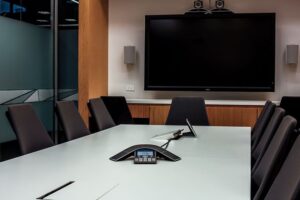
In hybrid workplaces, meetings often include a mix of in-room and remote participants. If the technology favors one group over another, collaboration breaks down quickly. Poor audio leaves remote attendees disengaged. Inadequate video makes it difficult to read the room. Complicated controls waste valuable meeting time and frustrate users.
A well-designed conference room removes these barriers. It creates an environment where participants can focus on ideas and outcomes rather than troubleshooting technology. The goal is not just functionality, but consistency. Every meeting space should deliver a familiar, intuitive experience regardless of room size or location.
 Designing for Hybrid Collaboration First
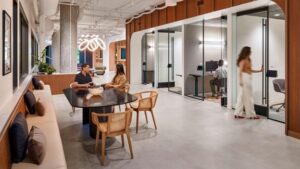
Hybrid collaboration should be the starting point for modern conference room design, not an afterthought. This means considering sightlines, sound coverage, display placement, and user workflows from the perspective of both in-room and remote participants.
Cameras should capture the room naturally without awkward angles or blind spots. Microphones must pick up voices evenly so that everyone is heard clearly. Displays should present content in a way that allows both shared material and remote participants to be visible without distraction. When these elements are designed together, hybrid meetings feel balanced instead of fragmented.
Audio as the Foundation of Effective Meetings
If participants cannot hear clearly, the meeting fails regardless of how good the video looks. Audio quality is the foundation of collaboration, especially in hybrid environments where remote attendees rely entirely on microphones and speakers.
Professional audio solutions from Shure are designed specifically for meeting spaces of all sizes. Ceiling microphones, tabletop microphones, and integrated DSP solutions help ensure consistent voice pickup while reducing background noise and echo. When audio systems are properly designed and tuned, conversations flow naturally and participants remain engaged.
Clear audio also improves meeting efficiency. Fewer interruptions, fewer repeated questions, and less fatigue lead to better outcomes and more productive use of time.
Video That Enhances Engagement and Clarity
Video plays a critical role in modern collaboration. Participants rely on visual cues to stay connected, read reactions, and stay engaged. Displays and video systems must support this without overwhelming the space.
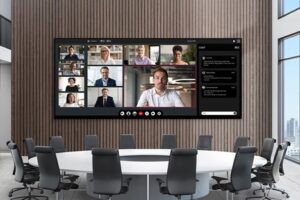
Large format displays and video walls from LG provide high-resolution visuals that make shared content easy to read and remote participants easy to see. In larger rooms or executive spaces, digital walls can transform how information is presented, supporting everything from video conferencing to data visualization and brand messaging.
The key is choosing the right display solution for the room size, viewing distance, and use case. Bigger is not always better. Clarity, brightness, and placement matter just as much as screen size.
Control Systems That Simplify the Experience
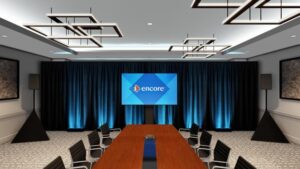
Even the best audio and video technology fails if users do not know how to operate it. Simplicity is essential. Conference room controls should be intuitive, consistent, and reliable so that anyone can walk into a room and start a meeting with confidence.
Control platforms from Crestron bring all room technology together into a single, easy-to-use interface. From launching video calls to adjusting audio levels and switching content sources, integrated control systems reduce friction and eliminate guesswork.
Standardizing control experiences across rooms also reduces support calls and training requirements. IT and facilities teams benefit from centralized monitoring and management, while end users benefit from a predictable and stress-free meeting experience.
Scalability Across the Organization
For organizations with multiple offices or campuses, scalability is a major consideration. A successful conference room design should be repeatable across locations while remaining flexible enough to accommodate different room sizes and use cases.
Standardized AV platforms make it easier to deploy consistent collaboration experiences across the organization. This consistency supports hybrid teams who move between locations and expect the same level of performance everywhere they work. It also simplifies maintenance, updates, and long-term planning.
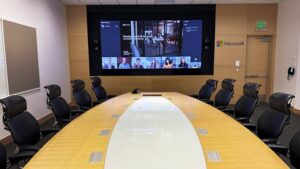 Scalable design is not about copying and pasting the same solution into every room. It is about establishing design standards that adapt while maintaining quality and usability.
Supporting Evolving Workplace Needs
Workplace needs continue to evolve. Today’s conference room may host video meetings, training sessions, client presentations, and collaborative workshops all in the same space. Technology must support this flexibility without requiring constant reconfiguration.
Integrated AV ecosystems allow spaces to adapt to different meeting styles and group sizes. Wireless content sharing, room scheduling integration, and flexible furniture layouts all contribute to rooms that support how people actually work.
Future-ready conference rooms are designed with growth in mind. They allow organizations to add new tools, support new workflows, and respond to changing expectations without starting from scratch.
The Role of Thoughtful Design and Integration
Technology alone does not create a successful conference room. Thoughtful design and professional integration ensure that systems perform as intended. Acoustics, lighting, furniture, and network infrastructure all influence how well AV systems function.
When these elements are considered together, the result is a space that feels intentional and effortless. Users should not have to think about the technology. It should simply work in the background, supporting collaboration rather than competing with it.
Building Conference Rooms That Actually Work
The modern conference room sits at the intersection of AV, collaboration, and user experience. When audio, video, and control platforms are thoughtfully integrated, meetings become more productive, inclusive, and engaging for everyone involved.
Designing collaboration spaces that actually work requires more than choosing the right products. It requires a clear understanding of how people meet, communicate, and make decisions in today’s hybrid world. By bringing together proven platforms from Crestron, Shure, and LG within a cohesive design strategy, organizations can create conference rooms that support their teams today and adapt for the future.
The conference room is no longer just a place to meet. It is a critical tool for collaboration, connection, and success.
You must be logged in to post a comment.