
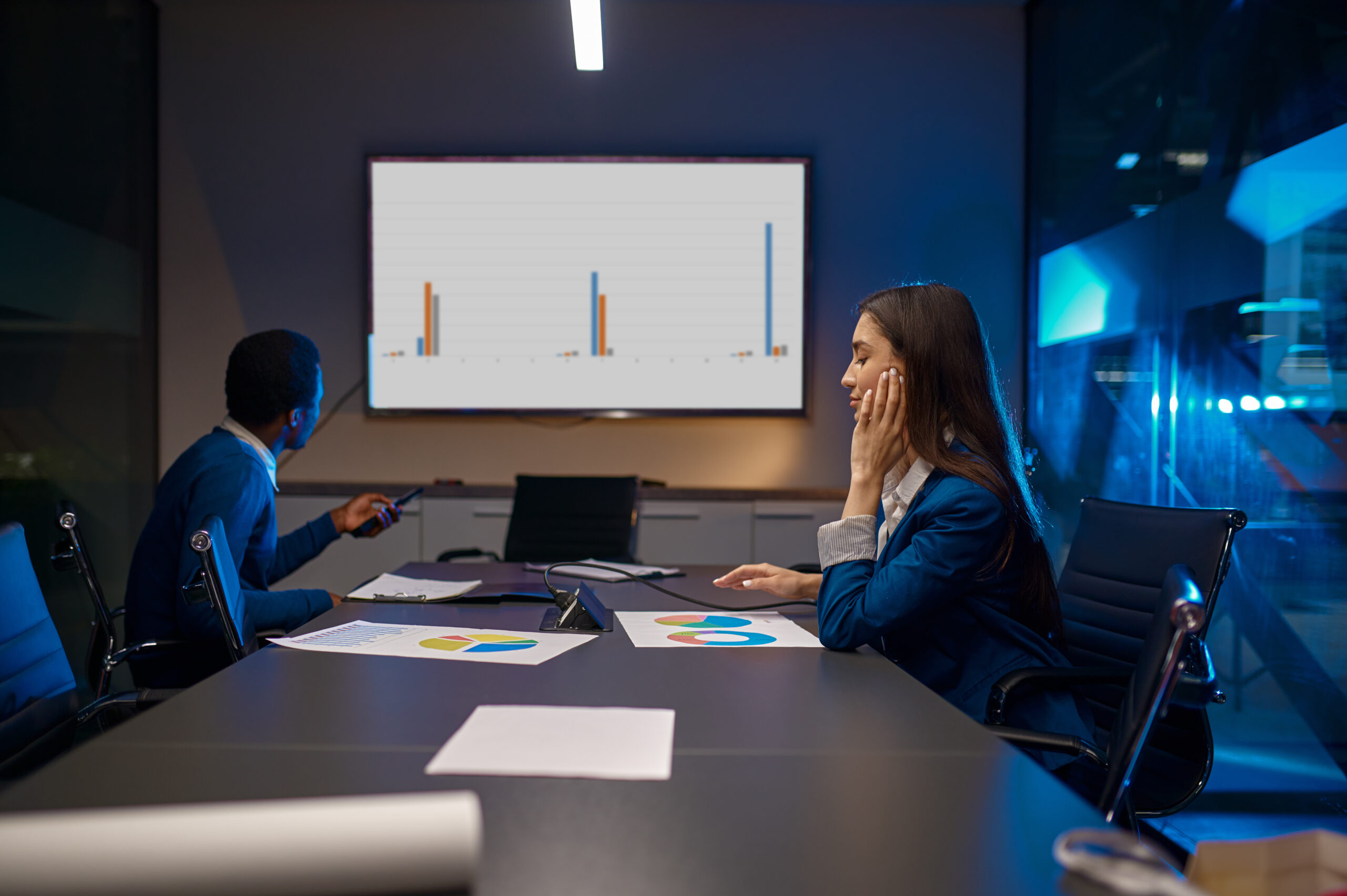
Conference rooms sit at the center of modern business life. This is where teams plan strategy, meet clients, brainstorm ideas, and make decisions that move the company forward. Yet one critical factor often gets overlooked: lighting.
Traditional on-off lighting no longer supports how today’s workplace functions. Hybrid meetings, video calls, presentations, and long discussions all demand flexible and responsive lighting. That is where conference room lighting control systems come into play.
As businesses focus more on energy efficiency, employee comfort, and smart building technology, controlled lighting has become a practical upgrade rather than a luxury. Modern conference room lighting solutions adapt to different meeting styles, reduce wasted energy, and support better focus throughout the day.
Here is why investing in a lighting control system makes sense for modern workspaces and how it fits into a broader approach to intelligent conference room solutions.
2. UNDERSTANDING THE BASICS
Conference room lighting control systems use automation and smart technology to manage how lighting behaves in a meeting space. Instead of relying on manual switches, these systems respond to real conditions inside the room.
At the core, they combine sensors, controllers, and software that adjust lighting based on occupancy, time of day, and available daylight. This approach supports both comfort and efficiency without constant user intervention.
Key elements typically include:
Occupancy sensors
Lights turn on when someone enters the room and shuts off after the space is vacant. This avoids unnecessary energy use during idle hours.
Daylight harvesting
The system measures natural light coming through windows and adjusts artificial lighting accordingly. This keeps brightness consistent without over lighting the space.
Dimmers and scene controls
Users can adjust light levels for presentations, video calls, or collaborative meetings with preset scenes.
Tunable color temperatures
Lighting can shift between warmer and cooler tones based on time of day or meeting needs, supporting alertness and visual comfort.
Many systems also connect with broader building platforms. A conference room control system can sync lighting with HVAC, window shades, and audiovisual equipment. This creates a unified experience where the room responds as one coordinated environment rather than separate systems operating in isolation.
3. BENEFITS OF IMPLEMENTING LIGHTING CONTROL SYSTEMS
Reduced energy consumption and operating costs
One of the most immediate advantages is lower energy usage. Automated lighting conference room setups prevent lights from running in empty spaces and adjust output based on actual needs.
Over time, this results in measurable cost savings. For organizations with multiple meeting rooms, the impact becomes even more significant across the facility.
Improved comfort and productivity
Lighting has a direct effect on how people feel and perform. Harsh lighting can cause eye strain, while dim or uneven light can reduce focus.
Modern meeting room lighting systems allow precise control over brightness and color temperature. Cooler light supports alertness during working hours, while warmer tones help reduce fatigue during longer sessions.
Employees benefit from spaces that feel comfortable and visually balanced, which supports better concentration and more productive meetings.
Better experience for video conferencing
Video meetings demand consistent and well-balanced lighting. Shadows, glare, or uneven brightness can affect how participants appear on cameras.
Lighting control systems integrate seamlessly with audiovisual setups, helping meeting spaces perform better during virtual calls. This is especially valuable as video collaboration becomes a daily part of business operations.
Streamlined facility management
When lighting integrates with HVAC and security platforms, facility teams gain centralized control. A connected conference room control system simplifies monitoring, scheduling, and maintenance.
This reduces manual oversight and allows teams to manage spaces more efficiently across locations.
4. TYPES OF LIGHTING CONTROL SYSTEMS FOR CONFERENCE ROOMS
Different workspaces have different requirements. Understanding the main system types helps organizations select the right fit.
Occupancy sensors
Occupancy sensors detect movement and presence within the room. Lights activate automatically when someone enters and turns off after a set period of inactivity.
This is one of the most effective tools for reducing wasted energy in conference rooms that are used intermittently.
Daylight harvesting systems
Daylight harvesting adjusts artificial lighting based on the amount of sunlight entering the room. On bright days, lights dim automatically. On cloudy days, brightness increases.
This keeps lighting levels consistent and comfortable while reducing energy consumption.
Tunable white lighting
Tunable white systems allow users to adjust color temperature throughout the day. Cooler light supports focus during morning and mid-day meetings. Warmer light works well for late afternoon sessions or informal discussions.
This flexibility supports natural circadian rhythms and improves overall comfort in meeting spaces.
Wireless lighting controls
Wireless controls reduce installation complexity and allow easier updates. These systems often support mobile apps or centralized dashboards, giving facility teams remote access and scheduling capabilities.
Wireless solutions also integrate smoothly with broader conference room solutions, especially in modern smart offices.
5. Considerations When Choosing a System
Selecting the right lighting control system requires careful evaluation beyond basic features.
Compatibility with existing infrastructure
The system should integrate smoothly with current lighting fixtures, audiovisual setups, and building management platforms. Compatibility reduces installation challenges and long-term maintenance issues.
Scalability for future growth
Businesses evolve. Meeting spaces expand, layouts change, and technology advances. A scalable conference room lighting system allows new rooms or features to be added without replacing the entire setup.
Ease of use
User experience matters. Simple wall panels, touchscreens, or app-based controls help teams adjust lighting quickly without confusion. Intuitive design increases adoption and reduces support requests.
Cost versus long term value
Initial costs vary based on system complexity. The real value lies in long term savings from reduced energy use, lower maintenance needs, and improved space utilization.
Evaluating return on investment over several years provides a clearer picture than upfront pricing alone.
6. CONCLUSION
Modern workplaces demand flexibility, efficiency, and comfort. Conference room lighting control systems address all three by combining automation, smart technology, and thoughtful design.
From reducing energy costs to supporting better focus and smoother video collaboration, controlled lighting plays a key role in effective conference room solutions. Integrated lighting, audiovisual, and environmental controls create meeting spaces that work better for people and for the business.
For organizations looking to modernize their meeting environments, lighting control is a practical and high impact step forward.
Ready to upgrade your conference room experience?
Explore advanced conference room solutions with BCS Consultants.
Visit: https://www.bcsconsultants.com/solutions/room-automation/
📞 Call us at +1 (949)-304-6036 to discuss your workspace needs with an experienced team.
Frequently Asked Questions
1. How do conference room lighting control systems support energy efficiency?
These systems reduce wasted power by turning lights off in unoccupied rooms and adjusting brightness based on natural light availability. Over time, this leads to noticeable reductions in energy use and operating costs.
2. Can lighting control systems work with existing conference room setups?
Yes. Many systems are designed to integrate with current fixtures, audiovisual equipment, and building platforms, making upgrades practical without major structural changes.
3. Do lighting control systems improve video conferencing quality?
Proper lighting improves visibility on cameras by reducing shadows and glare. Integrated lighting and AV systems create a more professional and consistent video meeting experience.
4. Are wireless lighting control systems reliable for commercial use?
Wireless systems used in commercial environments are designed for stability and security. They also offer flexibility for future expansion and easier management across multiple rooms.
