Video Wall Systems for Business: Types, Use Cases, and What to Expect
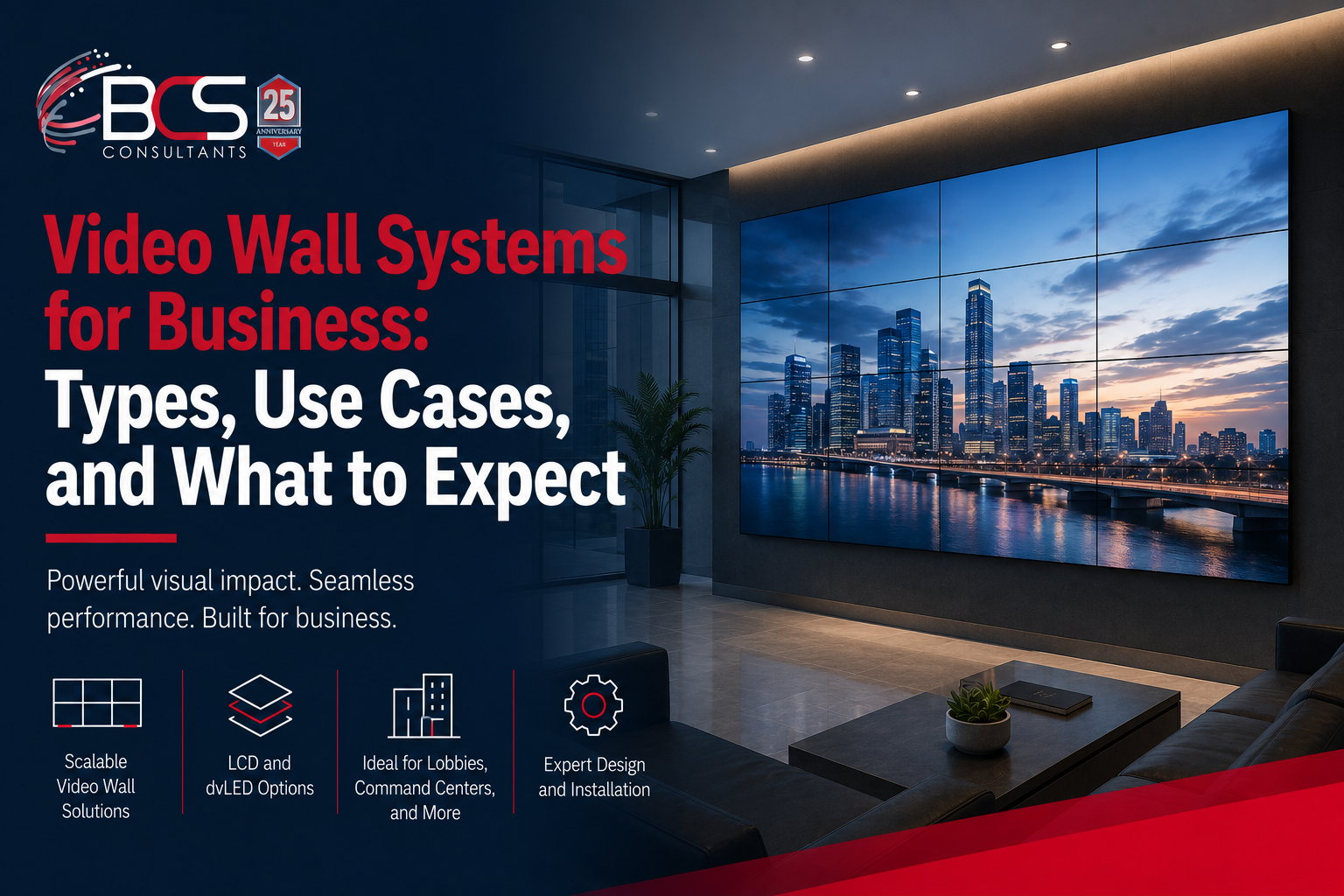
A video wall is not simply a very large display — it is a configurable array of screens or a continuous LED panel that can display a single coherent image across its entire surface, divide into independent display zones, and respond to content management and input switching in ways that a single display cannot.

Training Room AV Systems: Designing a Space Where Learning Actually Happens

A training room is not a conference room with more chairs. The activities that happen in a training environment — instructors presenting to groups, learners following along with materials, participants working through exercises, and increasingly hybrid sessions where some learners are in the room and others join remotely — require AV infrastructure designed specifically for those workflows.

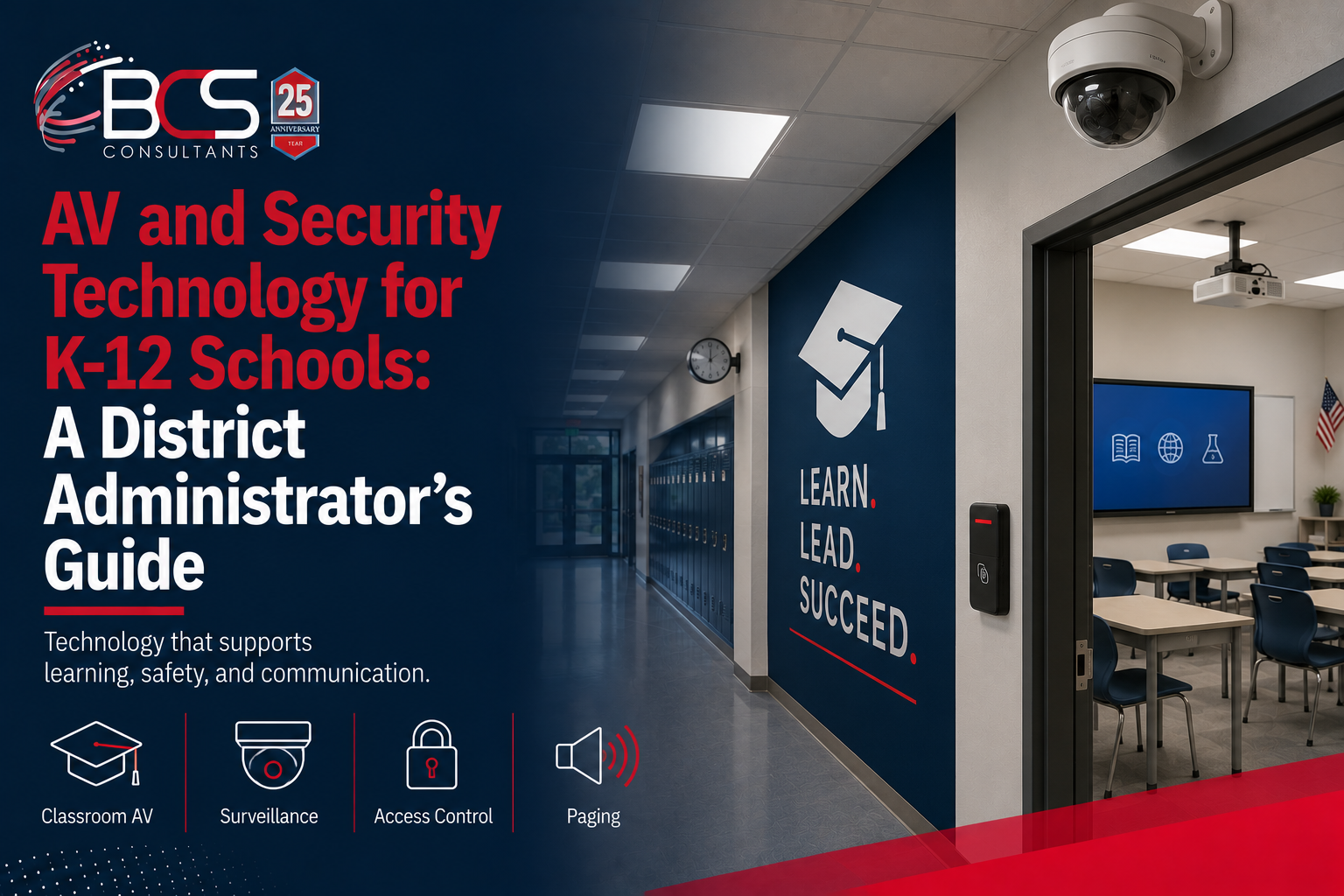
AV and Security Technology for K-12 Schools: A District Administrator’s Guide

School districts occupy a unique position among the organizations that BCS serves. The technology requirements of a K-12 environment span an unusually broad range — from the classroom AV that shapes how students learn every day, to the security infrastructure that protects students and staff, to the communications systems that coordinate operations across multiple buildings and campuses, to the wireless infrastructure that enables one-to-one device programs that are now standard in most districts.

Digital Signage for Retail: How Stores Are Using Screens to Drive Sales

Digital signage has fundamentally changed what a retail environment can communicate — and how quickly it can change that communication. Where static printed signage commits a store to a single message until someone physically replaces it, a digital signage network can update every screen in every location simultaneously from a browser, in seconds.

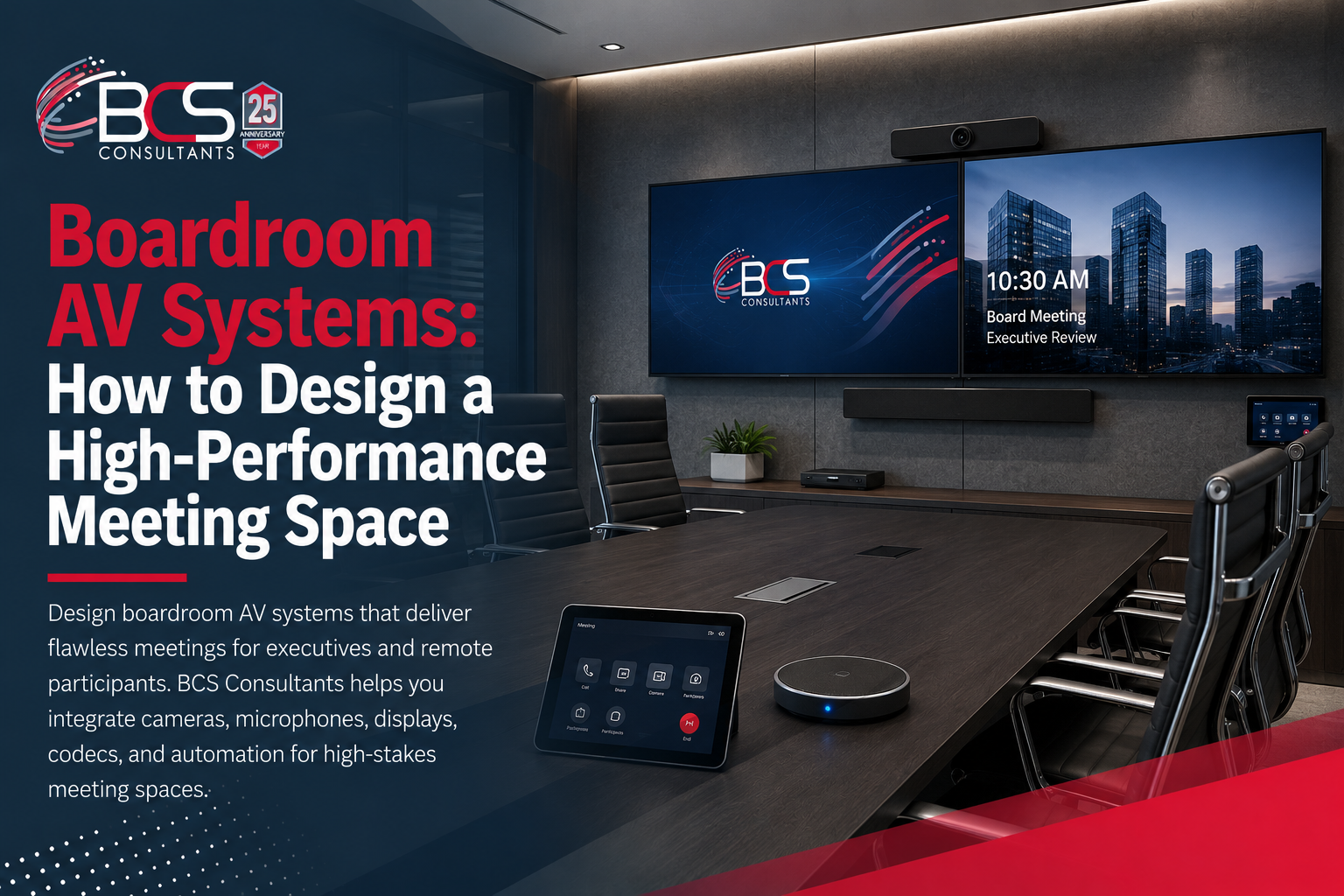
Boardroom AV Systems: How to Design a High-Performance Meeting Space

The boardroom is where your organization makes its most consequential decisions, hosts its most important clients, and presents its most visible face to the world. It is also the room where AV failures are the most costly — not in equipment terms, but in credibility.

InfoComm 2026 Recap Key Innovations from Biamp Crestron Shure and LG Shaping the Future of AV

InfoComm 2026 once again demonstrated why it remains the premier event for the professional audiovisual industry. Bringing together technology manufacturers, integrators, consultants, and end users from around the world, this year's show highlighted the rapid evolution of workplace technology, collaboration solutions, intelligent audio systems, cloud management platforms, and immersive visual experiences.

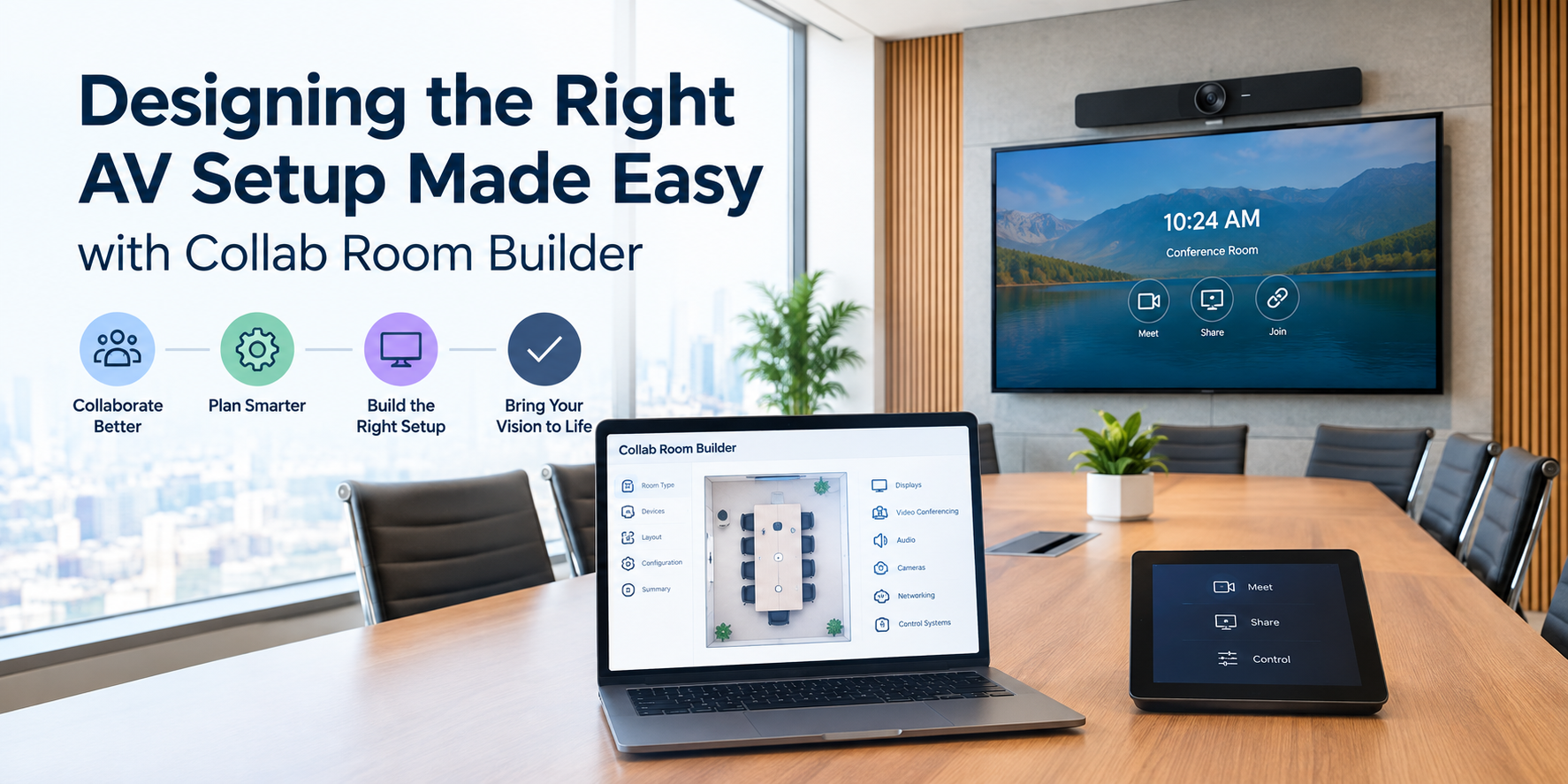
Designing the Right AV Setup Made Easy with Collab Room Builder

Designing a meeting room today is no longer just about placing a screen and a camera. With hybrid work now the norm, organizations must create spaces that deliver seamless collaboration, clear communication, and consistent user experiences across platforms.

Why Do Your Meetings Still Feel Broken Despite All Your Tech?

Communication is no longer confined to a single room. Teams are distributed, meetings are virtual, and collaboration happens across multiple platforms and locations. Yet many organizations still rely on outdated or poorly integrated audio-visual systems that fail to support these demands.

AI-Powered AV Setup How AutoMeasure Enhances Intelligent Video Collaboration

Modern meeting environments demand more than basic video conferencing. Executive boardrooms, lecture halls, and large collaboration spaces increasingly rely on intelligent video systems that deliver studio-quality experiences automatically.

One of the most advanced solutions addressing this need is Crestron Automate VX, developed by Crestron Electronics.

Why Successful AV Projects Start With Design Not Hardware

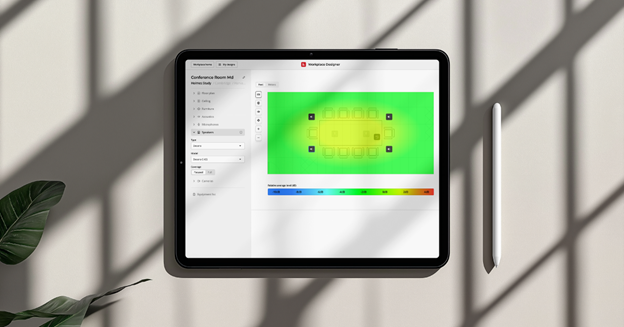
How Workplace Designer creates alignment, speed, and scale from day one

Most AV projects do not fail because the technology is wrong. They slow down because the process is fragmented. Designs evolve too late, stakeholders are misaligned, approvals drag on, and installers are left reconciling last-minute changes in the field.