
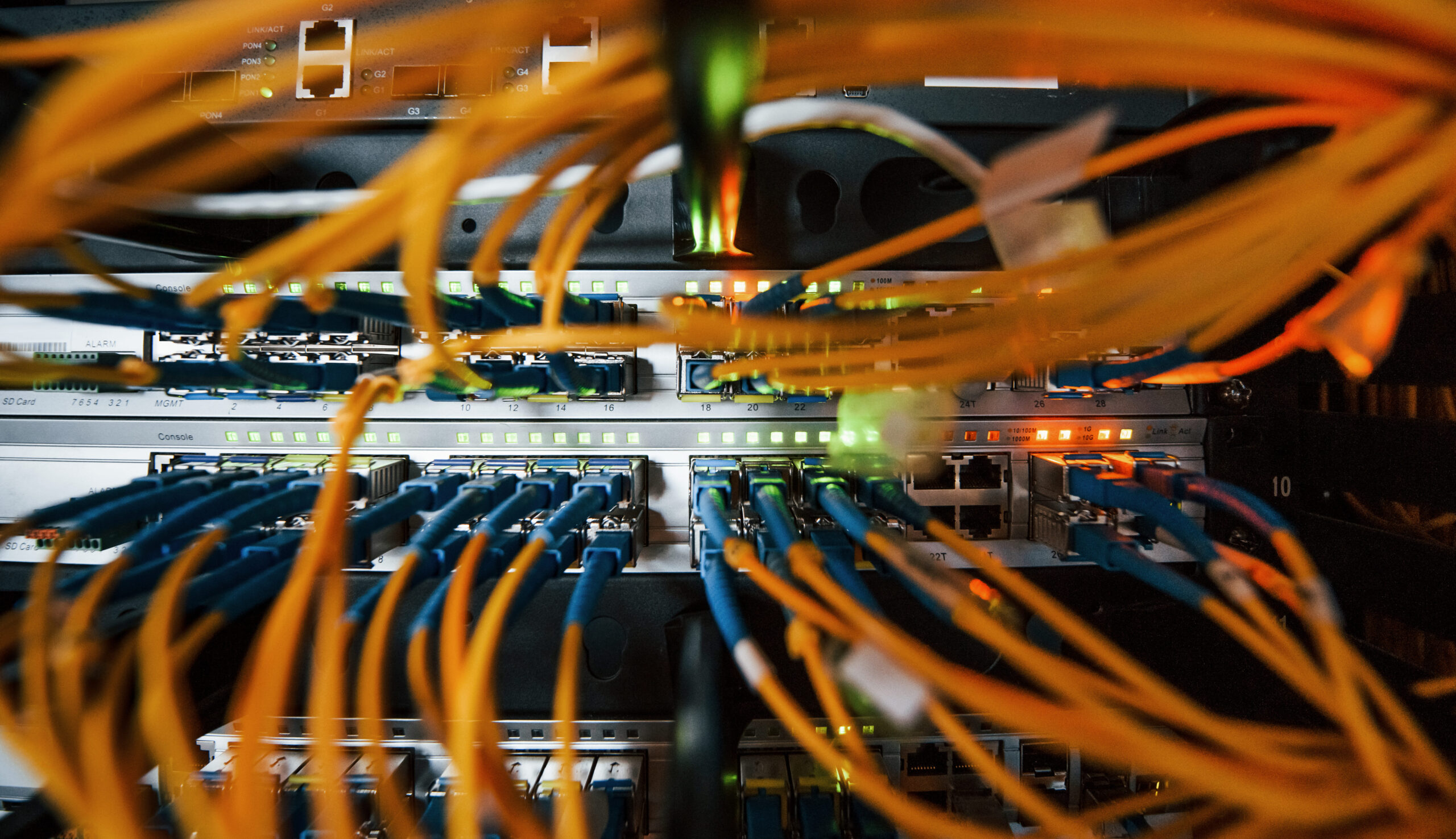
In a digital-first business environment, connectivity is not optional. It is the foundation of daily operations. From cloud platforms to communication systems, everything depends on a stable and efficient Cabling Infrastructure.
Despite its importance, many organizations overlook their cabling systems until performance problems begin to surface. These issues rarely appear overnight. They build gradually, often starting as minor disruptions before turning into costly operational challenges.
This article outlines ten critical warning signs that indicate your Cabling Infrastructure requires immediate attention, along with practical insights based on industry standards and real-world experience.
1. Recurring Network Downtime
Frequent outages often point to deeper infrastructure issues. While hardware and software can contribute, deteriorating cables, loose terminations, or poor installation practices are common causes.
Network downtime interrupts communication, delays business processes, and can impact customer trust. If outages are becoming more frequent, your cabling system should be evaluated.
Routine network cabling maintenance can help detect issues early, but repeated failures often indicate the need for a system upgrade.
2. Declining Network Speed
When systems perform slowly despite upgraded devices or high-speed internet plans, cabling limitations are often the cause.
Older cable types were not designed for current bandwidth demands. Modern business applications require higher data transfer rates and consistent performance.
Upgrading to modern data cabling solutions, including Cat6 or fiber optic systems, supports faster speeds and reduces latency.
3. Physical Cable Damage
Visible cable damage is a clear warning sign. Over time, cables can deteriorate due to environmental conditions, improper handling, or aging materials.
Common issues include:
- Cracked insulation
- Loose connectors
- Exposed wires
- Excessive bending
These problems can lead to signal disruption and data errors. Timely structured cabling repair and ongoing cabling maintenance help prevent more serious failures.
4. Disorganized Cabling Layout
Poor cable management can affect both performance and maintenance efficiency. Tangled or unlabeled cables make troubleshooting difficult and increase the risk of accidental disconnections.
Proper cable organization is essential for airflow, accessibility, and long-term reliability. Structured systems use standardized layouts to maintain order and clarity.
A well-planned structured cabling solution introduces labeling, routing discipline, and logical design.
5. Limited Support for Modern Applications
Modern workplaces rely on high-performance systems such as cloud services, VoIP, IoT devices, and video conferencing.
If your network struggles to support these tools, your Cabling Infrastructure may no longer meet current requirements.
Structured cabling systems are designed to support multiple technologies within a single organized framework, making them suitable for both current and future applications.
6. Rising Maintenance Costs
Frequent repairs and troubleshooting efforts often indicate a declining system. While individual fixes may appear manageable, ongoing maintenance increases costs over time.
At some point, investing in new data cabling solutions becomes more practical than continuing repairs.
A modern system reduces recurring issues and allows IT teams to focus on strategic tasks rather than constant troubleshooting.
7. Signal Interference and Data Loss
Signal degradation can result from electromagnetic interference, especially in environments with heavy electrical equipment.
Symptoms include:
- Inconsistent connectivity
- Data transmission errors
- Reduced network stability
Upgrading to higher-quality cabling with proper shielding improves performance. Regular network cabling maintenance also helps identify and resolve interference-related issues early.
8. Limited Scalability
As businesses grow, network demands increase. Expanding your system should be straightforward, but outdated cabling often makes this process complex.
Structured systems are designed to support scalability. They allow additional devices and connections without major disruption.
A flexible structured cabling solution supports business growth and evolving operational needs.
9. Frequent User Complaints
End-user feedback is one of the most reliable indicators of network issues. Complaints about slow speeds, dropped connections, or unreliable systems often trace back to cabling problems.
Addressing these issues through proper cabling maintenance or infrastructure upgrades improves user experience and operational efficiency.
10. Aging Infrastructure
Cabling systems have a limited lifespan. Infrastructure older than 7 to 10 years may no longer meet current performance standards.
Older systems often struggle with bandwidth demands and are more prone to failure. Replacing them with updated data cabling solutions supports long-term reliability and performance.
The Role of Expert Providers Like BCS Consultants
Upgrading Cabling Infrastructure requires more than just replacing cables. It involves careful planning, design, installation, and ongoing support.
Companies such as BCS Consultants specialize in delivering structured cabling systems that support reliable data transmission and network performance. We provide end-to-end services, including design, installation, and integration of cabling systems for modern business environments.
Our structured cabling offerings include backbone cabling, riser installations, certified technicians, and system testing to meet industry requirements and performance standards.
In addition, our services cover structured cabling repair and cabling maintenance, helping businesses identify issues, restore performance, and maintain organized systems for easier troubleshooting and future expansion.
Structured cabling provided by us also supports:
- Better network organization
- Higher bandwidth capabilities
- Easier troubleshooting
- Scalable infrastructure for future growth
This combination of technical expertise and comprehensive services helps organizations build reliable and efficient network foundations.
Why a Cabling Upgrade Matters
A well-designed Cabling Infrastructure directly impacts business performance. Ignoring its condition can lead to:
- Reduced productivity
- Increased operational costs
- Limited system performance
- Difficulty adopting new technologies
Modern cabling systems provide a structured and standardized approach that supports multiple technologies and simplifies maintenance.
Practical Steps for a Successful Upgrade
Conduct a System Assessment
Evaluate your current infrastructure to identify performance gaps and risks.
Select the Right Cabling Type
Choose between copper or fiber based on bandwidth and distance requirements.
Implement Structured Design
Use standardized layouts to improve organization and system efficiency.
Plan for Regular Maintenance
Ongoing network cabling maintenance helps maintain performance and prevent unexpected failures.
Work with Experienced Professionals
Partnering with experts such as BCS Consultants ensures proper design, installation, and long-term reliability.
Final Perspective
A strong Cabling Infrastructure supports every aspect of modern business operations. Identifying early warning signs and upgrading at the right time helps maintain performance, reduce risk, and support growth.
At BCS Consultants, we believe that a reliable Cabling Infrastructure is essential for business continuity and growth. Identifying warning signs early and taking action helps maintain performance and supports future expansion.
A structured and well-maintained system allows your network to perform consistently and support evolving business needs.
Contact us today !
Frequently Asked Questions (FAQs)
1. What are the most common signs of cabling infrastructure issues?
Frequent downtime, slow network speeds, physical cable damage, and rising maintenance costs are common indicators that your Cabling Infrastructure needs attention.
2. How does structured cabling improve network performance?
Structured systems organize and standardize connections, making networks more reliable, easier to manage, and capable of supporting multiple technologies.
3. How often should cabling systems be maintained?
Routine network cabling maintenance should be performed at least once or twice a year, depending on usage and environment.
4. Why should businesses invest in professional data cabling solutions?
Professional data cabling solutions provide proper installation, system design, and long-term reliability, reducing downtime and improving overall network performance.