
A delivery blocks an exit. A vehicle enters a one-way lane from the wrong direction. An aging alarm panel makes it difficult to manage sensors across a growing portfolio of locations.
These situations create different demands for security and facilities teams. Staff need to recognize operational hazards, maintain dependable intrusion detection, and understand who should respond when something requires attention.
Verkada’s blocked-door and wrong-way driving alerts, together with the BP42 Alarm Panel, address these needs through the Command platform. Camera analytics help identify specific activity, while the alarm panel connects wired and wireless sensors to a locally operating intrusion system.
BCS Consultants helps organizations plan how these capabilities fit their buildings, existing infrastructure, and daily responsibilities.
Bringing blocked doors and unusual vehicle movements to attention
Security cameras can capture conditions that deserve attention even when nobody is actively watching the footage. Configured alerts help direct staff toward those events.
Identifying persistent door obstructions
Verkada’s door blocked alerts periodically analyze camera thumbnails for potential obstructions. When the system identifies a possible blocked door, it checks again after a few minutes. If the obstruction remains, designated users receive a notification.
The confirmation step is designed to reduce alerts caused by temporary interruptions.
For a facilities team, that notification can prompt a review of the doorway and a request for nearby staff to clear the area. This could be useful around service entrances, delivery areas, and other locations where equipment or supplies are regularly moved.
The feature’s periodic checks and confirmation delay should be reflected in the response plan. Routine inspections and procedures for maintaining clear entrances and exits remain part of facility operations.
Detecting wrong-way driving
Verkada’s wrong-way driving alerts use a configured line and an intended direction of travel. When the system detects a vehicle crossing against that direction, it sends a notification to users.
Potential applications include forklifts traveling against an established warehouse route or vehicles entering a pickup lane from the wrong end.
Configuration should account for turning areas, loading activity, and legitimate vehicle movements. Reviewing recurring events may also help teams identify confusing signs, unclear lane markings, or a need for additional driver guidance.
Intrusion coverage designed for smaller facilities
A retail store, clinic, or branch office may have existing door contacts and motion sensors that still meet its needs. Modernizing the alarm system begins with evaluating that equipment and determining how it can be managed more effectively.
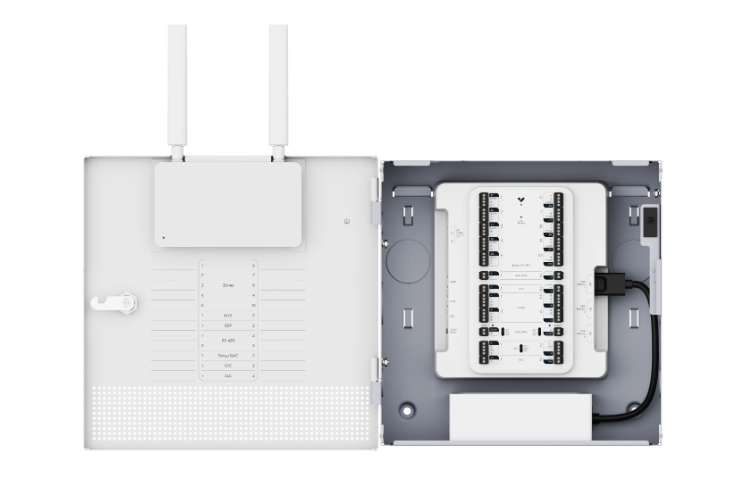
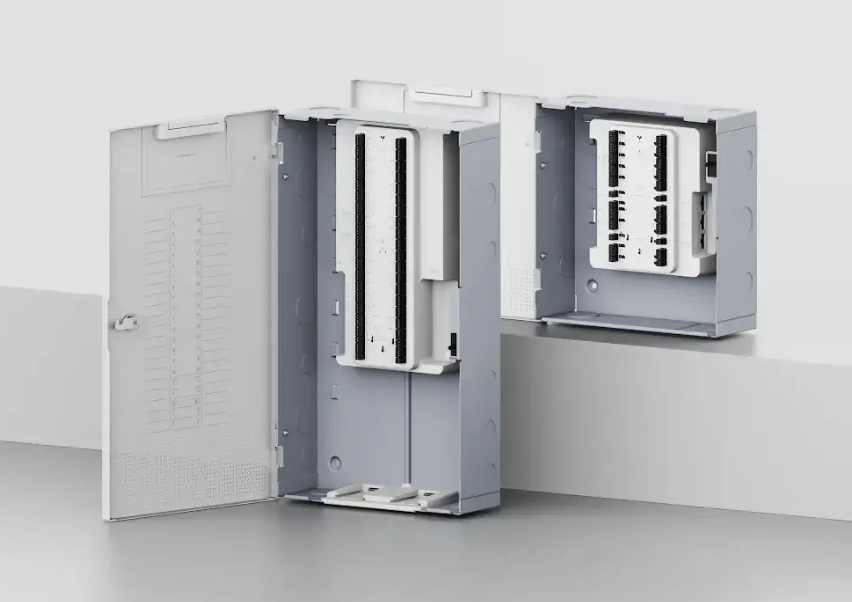
The Verkada BP42 Alarm Panel provides 10 wired input zones and a built-in VLink wireless hub supporting up to 160 Verkada wireless sensors. This allows compatible wired and wireless devices to operate through one panel.
For example, a site could retain suitable wired sensors around its perimeter and add wireless coverage in areas where running new cable would be difficult.
That approach can support a phased upgrade. Before reusing existing infrastructure, the project should assess sensor compatibility, wiring condition, power requirements, and the coverage the business actually needs.
BCS Consultants evaluates these factors during system design so equipment selection reflects the site’s requirements and anticipated changes.
Expanding wired coverage with addressable sensors
The BP42 also supports Verkada’s Better Sensor Protocol, or BSP. This addressable sensor protocol carries power and data over a single wire run.
The panel includes two BSP ports. Verkada specifies support for up to 200 door contacts or 50 powered motion sensors per port, subject to the installation’s design requirements. The panel also provides connections for keypads and expanders.
For organizations planning additional coverage, addressable sensors provide another option alongside conventional wired zones and wireless devices.
The appropriate choice depends on building layout, existing cable routes, sensor requirements, and maintenance expectations. Capacity figures help establish what a platform can support; a site assessment determines how it should be deployed.

Local alarm operation with planned backup connectivity
Cloud management gives teams a shared interface for configuration and oversight. The BP42 also communicates locally with connected alarm devices, allowing local arming, disarming, and alarm signaling to continue during an internet interruption.
Remote communication still depends on an available connection. The BP42 supports a compatible cellular backup communicator, while the VBX2 battery system provides backup power. Verkada lists support for up to three 75Wh backup batteries on the BP42.
These provisions should be planned around the installation. Connected-device power demand, cellular coverage, and required operating duration affect the backup design.
During commissioning, teams should understand which functions continue locally, how backup communication operates, and what happens when normal power or connectivity returns. This gives facilities and security staff clear expectations during an interruption.
Extending an alarm system to a separate building
A property may include a main office and a detached warehouse, workshop, or storage building. Extending alarm coverage between them can introduce additional cabling and infrastructure requirements.
The BP42 can operate as an expander over a local area network. With appropriate power and an existing LAN connection in the additional building, it can extend the site’s alarm system. Verkada states that this expander configuration does not require an additional panel license.
This creates an option for properties where suitable network infrastructure already connects the buildings.
The LAN connection and supporting equipment become part of the security design. Their availability, power protection, and maintenance should be reviewed before relying on them for an expanded deployment.
Turning shared visibility into a clear response process
Managing camera alerts and alarm activity through Command can give teams a common place to review events. The BP42 supports live and historical sensor activity, zone mapping, and software-defined partitions within the platform.
The response process still needs to reflect what each event means.
A blocked-door notification may go to facilities staff who can arrange for an obstruction to be removed. A wrong-way driving event may require review by a site supervisor. An intrusion event requires the response procedures and monitoring arrangements established for that alarm system.
For each event type, organizations should identify the primary recipient, backup coverage, escalation process, and method for confirming resolution.
Across multiple locations, consistent naming and documented responsibilities help central teams interpret events quickly. Local configurations should still reflect each building’s layout and operating patterns.
How BCS Consultants helps organizations put the pieces together
BCS Consultants helps organizations design physical security systems around their facilities, users, and operational requirements.
For a project combining Verkada camera alerts and intrusion detection, that work begins with reviewing camera views, door locations, vehicle routes, existing sensors, and network infrastructure. It continues through equipment selection, configuration, deployment, and staff handover.
A representative pilot can help validate detection settings and response procedures before a broader rollout. Testing should include normal delivery activity, legitimate vehicle movements, alarm operation, and the planned backup arrangements.
Verkada’s published rollout schedule lists October 8, 2026, for wrong-way driving alerts and BP42 ordering in North America, Australia, and New Zealand, with blocked-door alerts scheduled for October 30, 2026. Availability and applicable requirements should be confirmed when specifying a project.
The goal is a security system that helps staff recognize relevant events, maintain intrusion coverage, and respond with clear responsibilities across every location.
Talk to BCS Consultants about planning camera alerts and intrusion detection for your facilities.

You must be logged in to post a comment.