Technology Solutions for Financial Institutions: Security, AV, and Compliance in the Banking Environment
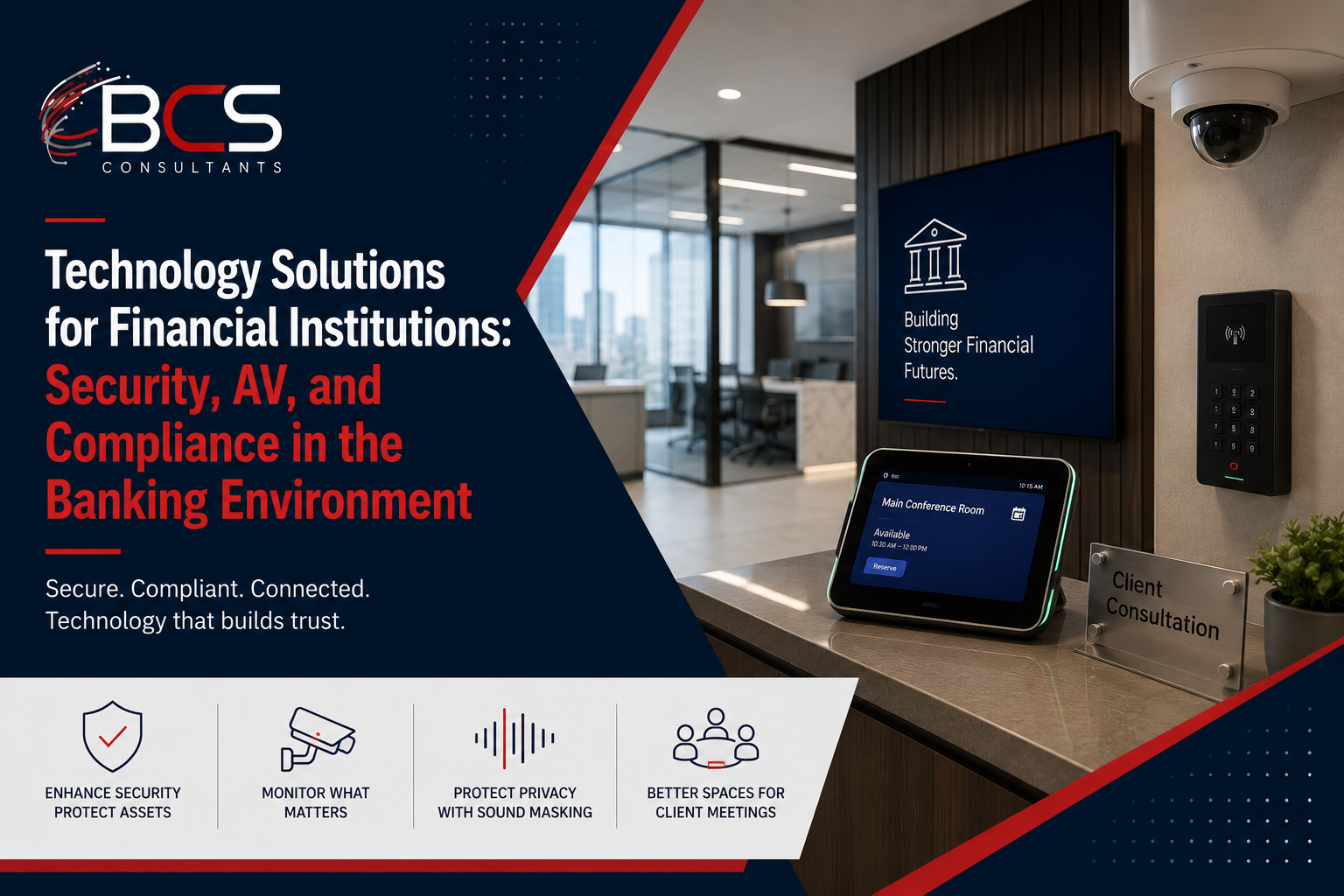
Financial institutions operate in one of the most technology-intensive commercial environments — not because finance is uniquely complicated, but because the physical spaces where financial transactions, client advisory relationships, and sensitive data management occur create a specific set of requirements that intersect security, compliance, client experience, and operational efficiency in ways that few other industries face simultaneously.

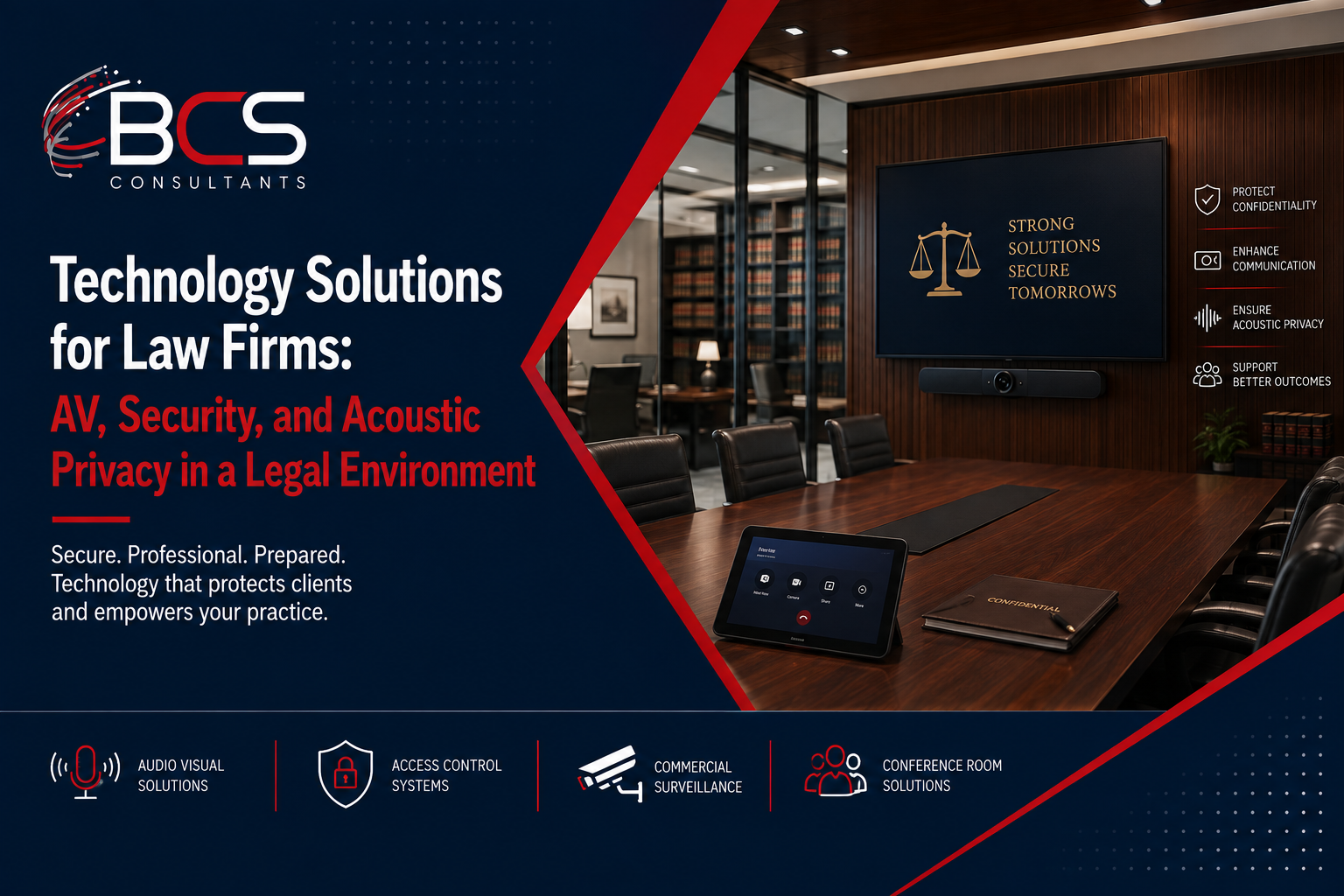
Technology Solutions for Law Firms: AV, Security, and Acoustic Privacy in a Legal Environment

Law firms operate in a professional environment shaped by confidentiality obligations, client expectations, and the demands of contemporary legal practice — video depositions, remote client meetings, secure electronic discovery, and the management of sensitive documents across a workforce that increasingly includes distributed associates and partners working from multiple locations.

Smarter Faster and More Secure Access The Technology Behind Verkada’s Face Unlock

Access control has evolved significantly over the past decade. Traditional keys have given way to keycards, mobile credentials, and cloud-managed access systems. Today, organizations are taking the next step with biometric authentication, enabling faster, more secure, and more convenient access to their facilities.

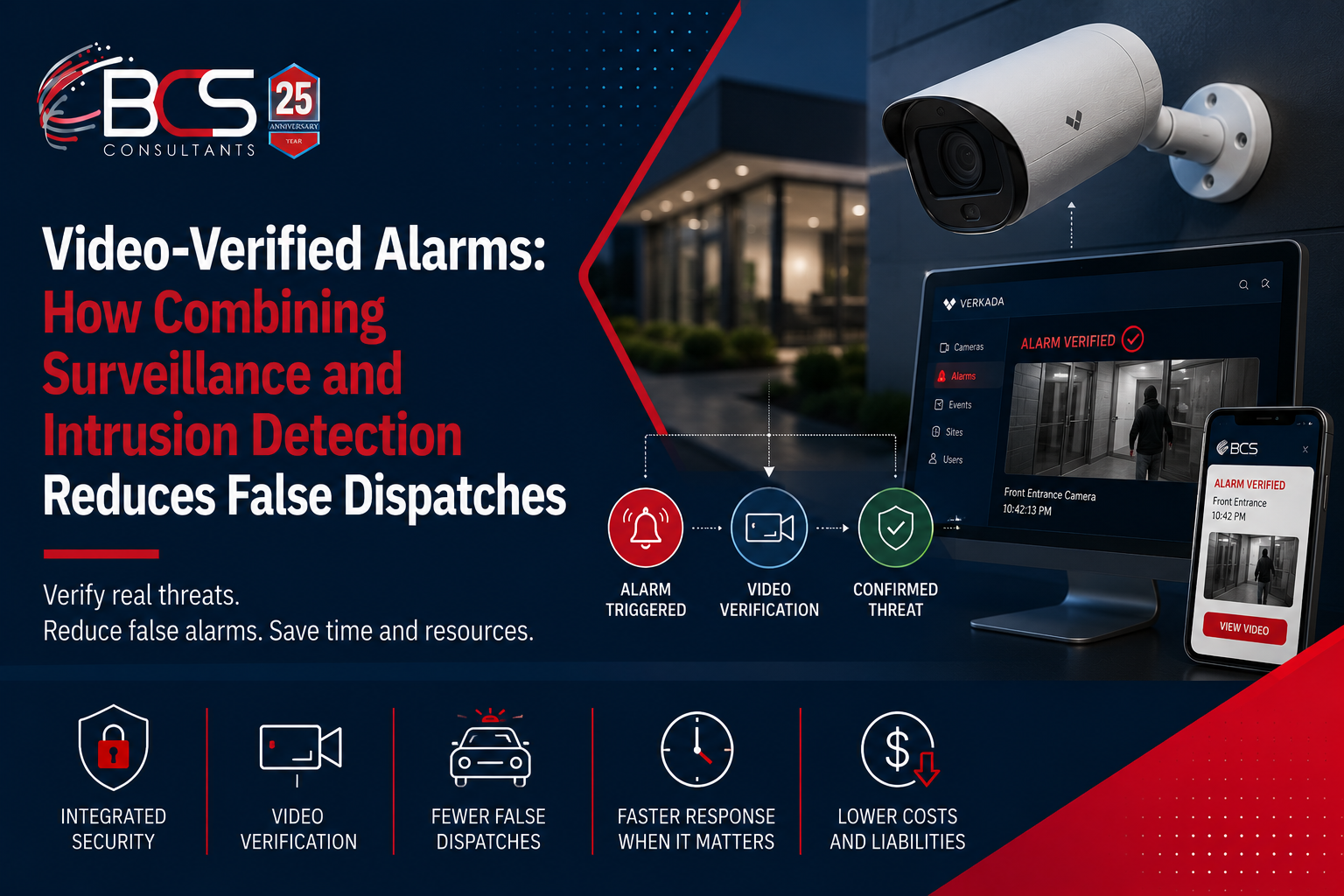
Video-Verified Alarms: How Combining Surveillance and Intrusion Detection Reduces False Dispatches

Commercial alarm systems generate a significant volume of false alarms — events that trigger a monitoring center response and sometimes an emergency services dispatch that turn out, on investigation, to be caused by equipment malfunction, environmental factors, user error, or animals rather than actual intrusions.

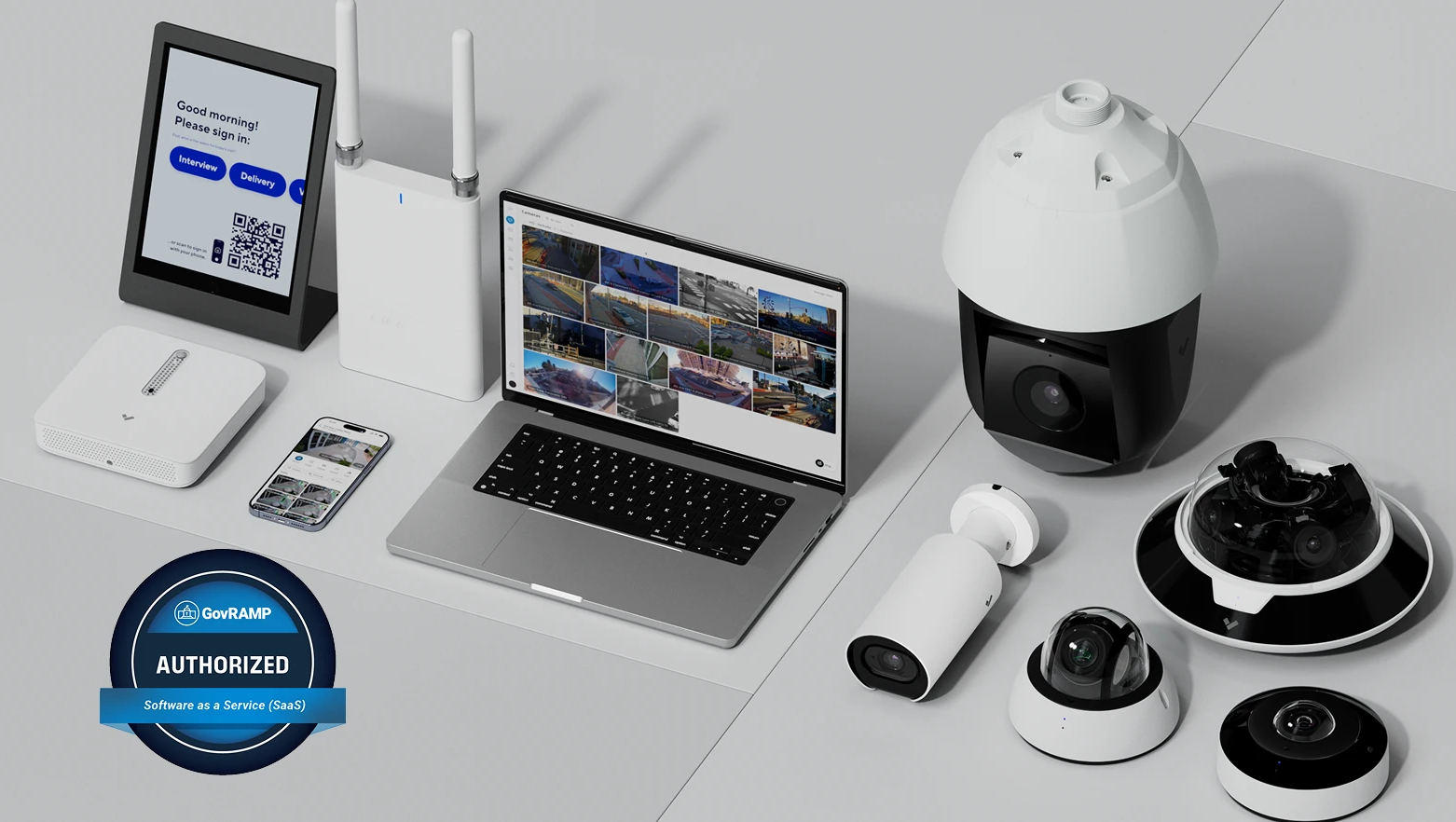
Strengthening Public Sector Security with Verkada’s GovRAMP Moderate Authorization

Most government security teams aren't protecting one building, they're protecting dozens, sometimes hundreds, spread across city halls, schools, transit hubs, utility yards, and administrative offices, usually with a security staff too small for the job.

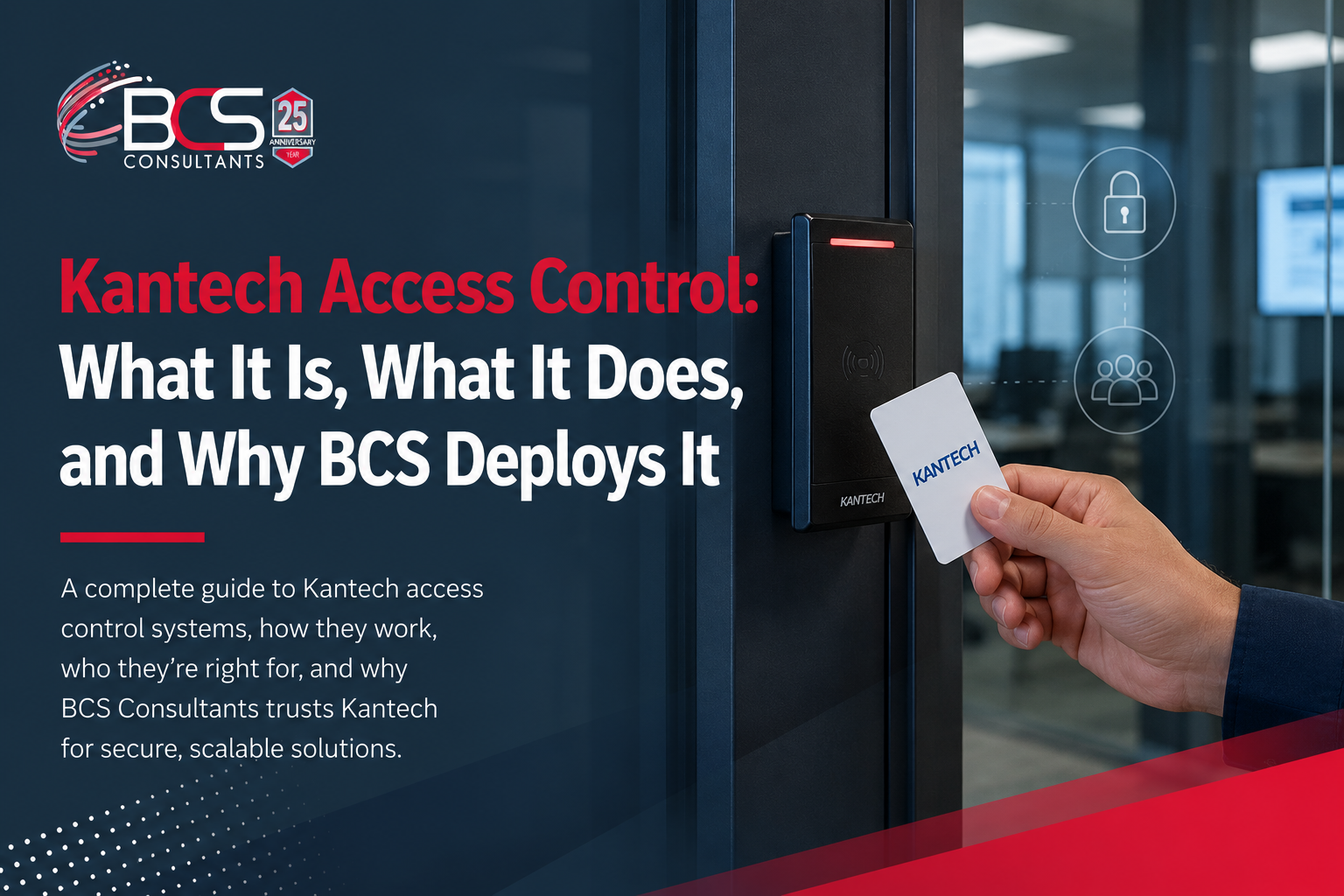
Kantech Access Control: What It Is, What It Does, and Why BCS Deploys It

When a business needs reliable, enterprise-grade on-premise access control, Kantech is consistently one of the first names that professional integrators recommend. Unlike cloud-only platforms that depend entirely on an internet connection, Kantech gives organizations full control over their access control data, hardware, and administration — with the flexibility to manage the system entirely on their own premises.

How to Choose Commercial Security Camera Systems for Your Business

How to Choose Commercial Security Camera Systems for Your Business

Commercial security camera systems have evolved far beyond the recorded loops and grainy footage of a decade ago. Today's systems combine high-resolution imaging, intelligent video analytics, cloud-based management, and tight integration with access control and alarm platforms.

What Is a Low Voltage Contractor?

In today's technology-driven business environment, reliable security systems, communication networks, and data infrastructure are essential for daily operations. From surveillance cameras and access control to structured network cabling and audio-visual solutions, modern businesses depend on a wide range of low-voltage technologies to stay secure, connected, and productive.

The Future of Physical Security What 2026 Is Demanding

How AI, data, and perception are reshaping safety strategies

The physical security industry has entered a defining era. What was once largely reactive and focused on reviewing footage after an incident has rapidly evolved into a proactive, intelligence-driven discipline.

Designing a Future-Ready Security Strategy for Multi-Campus Organizations

As organizations expand across multiple campuses, locations, or regions, security challenges grow more complex—and more interconnected. Managing access, monitoring activity, and maintaining consistent policies across multiple sites introduces layers of risk that simply don’t exist in single-building environments.