Blog & Press

Commercial Display Solutions: What Sets LG Apart from Consumer TVs
September 16th, 2026 LG

Every time a business installs a consumer television as a display for digital signage, a conference room display, or a lobby screen, it is trading a lower purchase price for a higher total cost of ownership — shorter operational lifespan, limited warranty coverage, missing management features, and the inevitable early replacement when the display fails under commercial operating conditions.

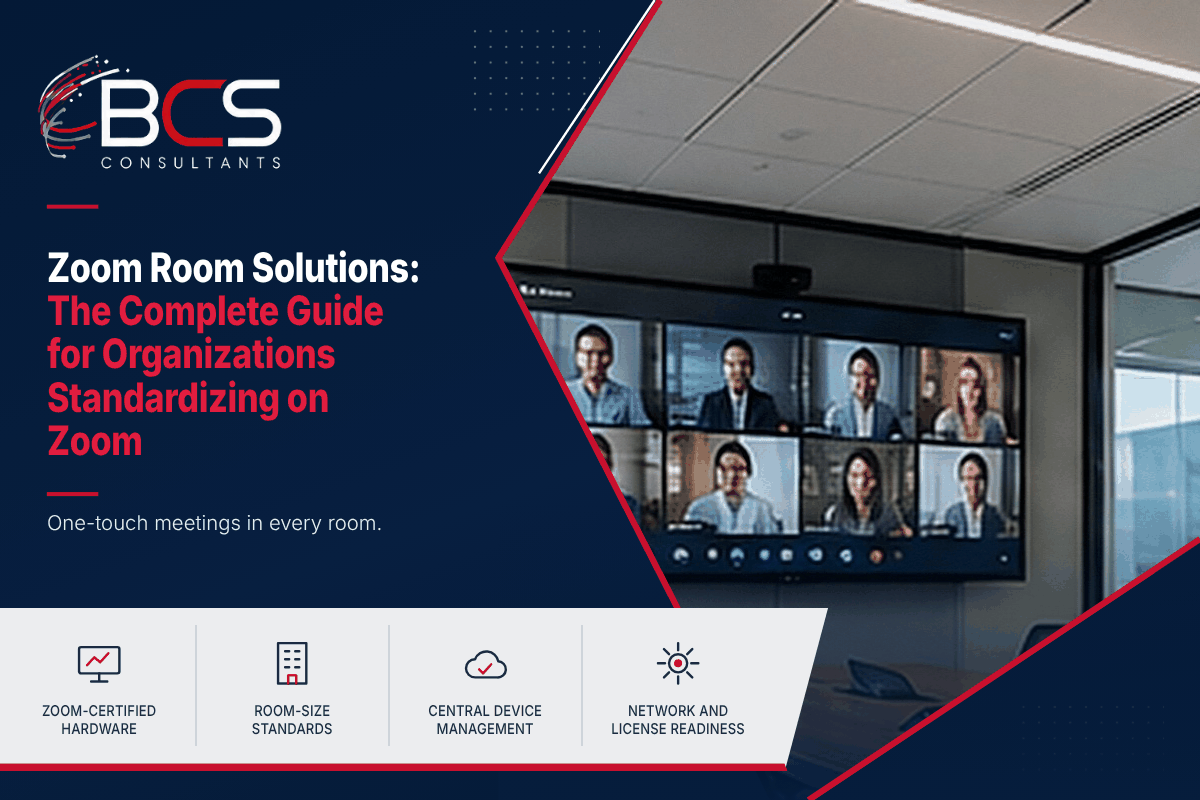
Zoom Room Solutions: The Complete Guide for Organizations Standardizing on Zoom

For organizations standardized on Zoom as their primary meeting platform, Zoom Rooms certified hardware is the natural extension that brings the Zoom experience from the laptop screen into the conference room. Where a standard video call runs from a personal device, a Zoom Room transforms the conference room itself into a managed Zoom-native meeting environment — with one-touch meeting join, professional camera and audio coverage, and centralized management through the Zoom Admin Portal.

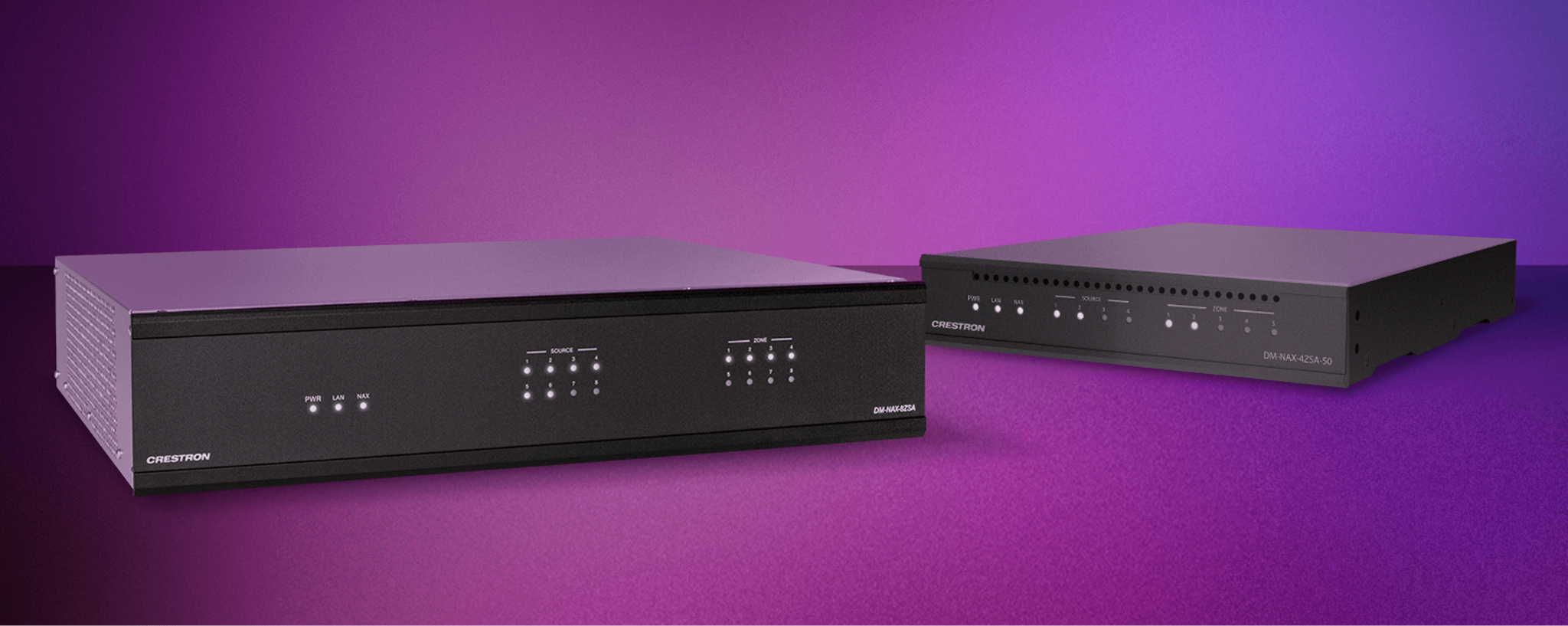
Crestron DM NAX Firmware 3.2: What Businesses Should Know About the Audio Update

A hotel lobby, restaurant, and private event room may share an audio system while serving very different purposes. Each space needs appropriate content, straightforward controls, and clearly defined access. When those details are overlooked, staff end up correcting playback, changing playlists, or calling for technical help.

What LG Latest Commercial Technology Innovations Mean for Modern Organizations

September 15th, 2026 LG

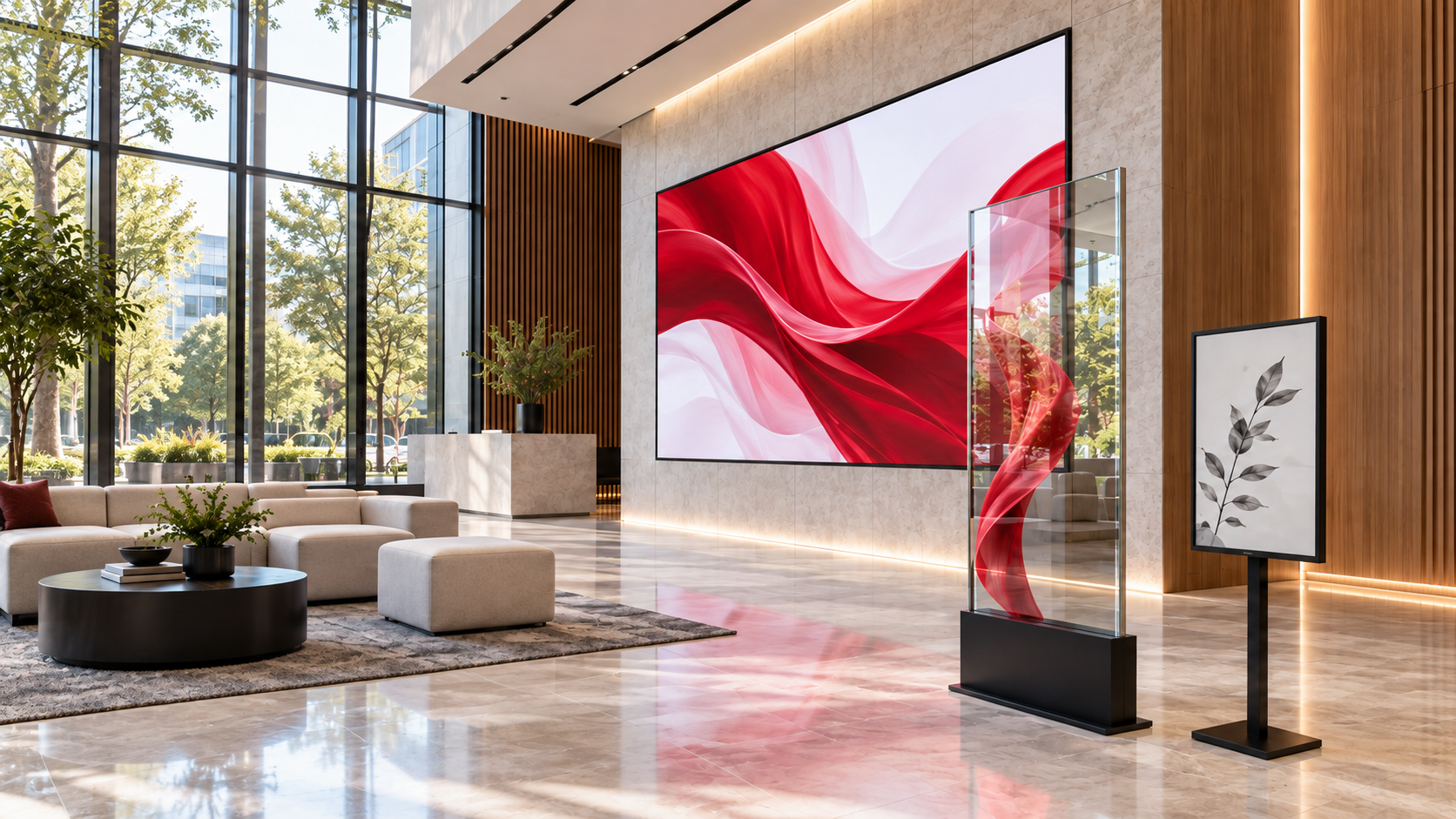
Commercial display technology is evolving beyond conventional screens. Displays are becoming easier to deploy, more energy-efficient, more adaptable to their surroundings, and simpler to manage across multiple locations.

LG’s Q3 2026 partner update highlights several developments that reflect this shift, including expanded direct-view LED options, transparent OLED applications, ultra-low-power e-paper signage, cloud-managed hospitality technology, and business devices built for hybrid work.

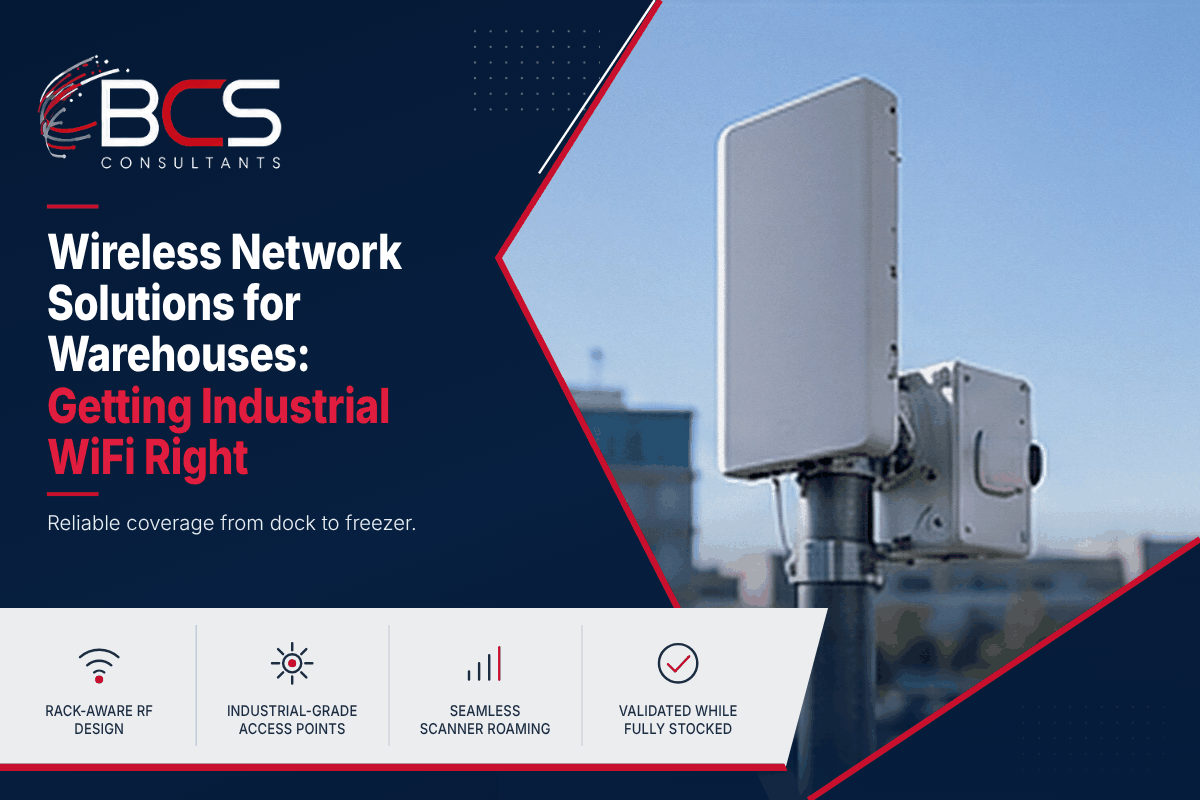
Wireless Network Solutions for Warehouses: Getting Industrial WiFi Right

Industrial wireless deployments are not office wireless deployments at larger scale. The RF environment of a warehouse or distribution center is fundamentally different from an office floor, and the applications running on warehouse wireless have performance requirements — particularly for real-time inventory management, voice-directed picking, and barcode scanning — that are unforgiving of the intermittent connectivity issues that are merely inconvenient in an office environment.

The overhead announcement system is one of the most taken-for-granted technology systems in commercial facilities — until it fails. When a facility needs to communicate something urgent to every person in the building simultaneously, the paging system is the only technology that reaches everyone, in every space, regardless of what they are doing or what device they have in their hands.

Data Center Cabling Infrastructure: How to Design and Install a High-Performance Network Backbone

Data center cabling exists at a different scale and with different performance requirements than office structured cabling. The density of connections, the speed requirements, the airflow implications of cable routing, and the cost of downtime if cabling fails all combine to make data center cabling a specialized discipline that requires specific expertise, specific hardware, and a specific approach to design and installation.

Government Security Solutions: AV, Security, and Communications for Public Facilities

Government facilities at every level — municipal offices, county courthouses, state administrative buildings, public safety facilities, and libraries — operate under a distinct set of technology requirements shaped by public accountability, security compliance mandates, procurement regulations, and the specific demands of civic operations.

Biamp Tesira Audio Systems: The Professional’s Choice for Conference Room Sound

In professional AV, the digital signal processor is where good audio becomes great audio — where the signals from multiple microphones get mixed correctly, where acoustic echo cancellation prevents the microphone from capturing and returning the loudspeaker output, where the audio is routed to the right destinations, and where the entire audio system is managed as a unified, coherent whole.

Types of Sound Masking Equipment: Direct Field, Indirect Field, and What to Specify

When buyers research commercial sound masking systems, most of the information they encounter focuses on what sound masking does — the acoustic principle of raising the noise floor to reduce speech intelligibility. Less commonly discussed is how different systems deliver that effect.