Blog & Press

Sound Masking for Healthcare: HIPAA Compliance and Patient Privacy in Clinical Environments
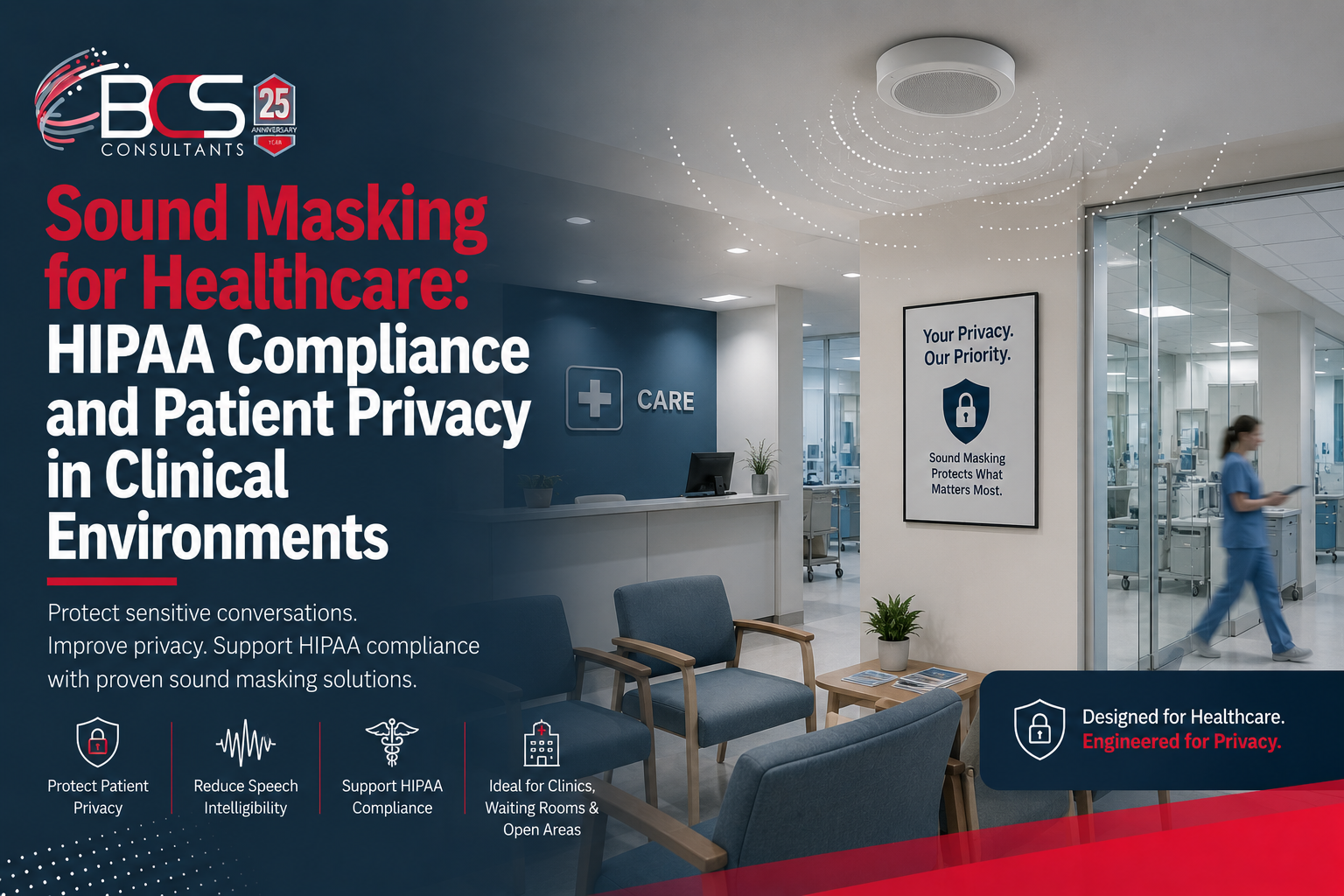
The HIPAA Privacy Rule requires covered entities to implement reasonable safeguards to protect protected health information from incidental disclosure. In a healthcare setting, this means that a patient discussing their condition with a clinician, providing insurance information to a receptionist, or describing symptoms to a nurse should not be overheard by other patients in the waiting room, other staff in adjacent areas, or visitors passing through corridors.

Fiber Optic Solutions for Enterprise: Single-Mode vs. Multi-Mode Explained

Fiber optic cabling is the backbone of enterprise network infrastructure — and the decision between single-mode and multi-mode fiber is one of the most consequential choices in any cabling project. Get it right and your infrastructure supports your organization's connectivity requirements for the next fifteen to twenty years.

Server Room Cable Management: Best Practices for Commercial Installations

Walk into a well-managed server room or telecommunications closet and the difference is immediately apparent. Cables are routed cleanly from patch panel to equipment, labeled at both ends, organized in horizontal and vertical cable managers, and color-coded by purpose.

Verkada Security Cameras: A Complete Guide for Commercial Buyers

Verkada has grown from a startup to one of the most significant platforms in commercial physical security in a short period of time, and the reason is straightforward: it eliminated the infrastructure complexity that made enterprise-grade surveillance difficult to deploy and manage.

AV and Security Technology for K-12 Schools: A District Administrator’s Guide

School districts occupy a unique position among the organizations that BCS serves. The technology requirements of a K-12 environment span an unusually broad range — from the classroom AV that shapes how students learn every day, to the security infrastructure that protects students and staff, to the communications systems that coordinate operations across multiple buildings and campuses, to the wireless infrastructure that enables one-to-one device programs that are now standard in most districts.

Digital Signage for Retail: How Stores Are Using Screens to Drive Sales

Digital signage has fundamentally changed what a retail environment can communicate — and how quickly it can change that communication. Where static printed signage commits a store to a single message until someone physically replaces it, a digital signage network can update every screen in every location simultaneously from a browser, in seconds.

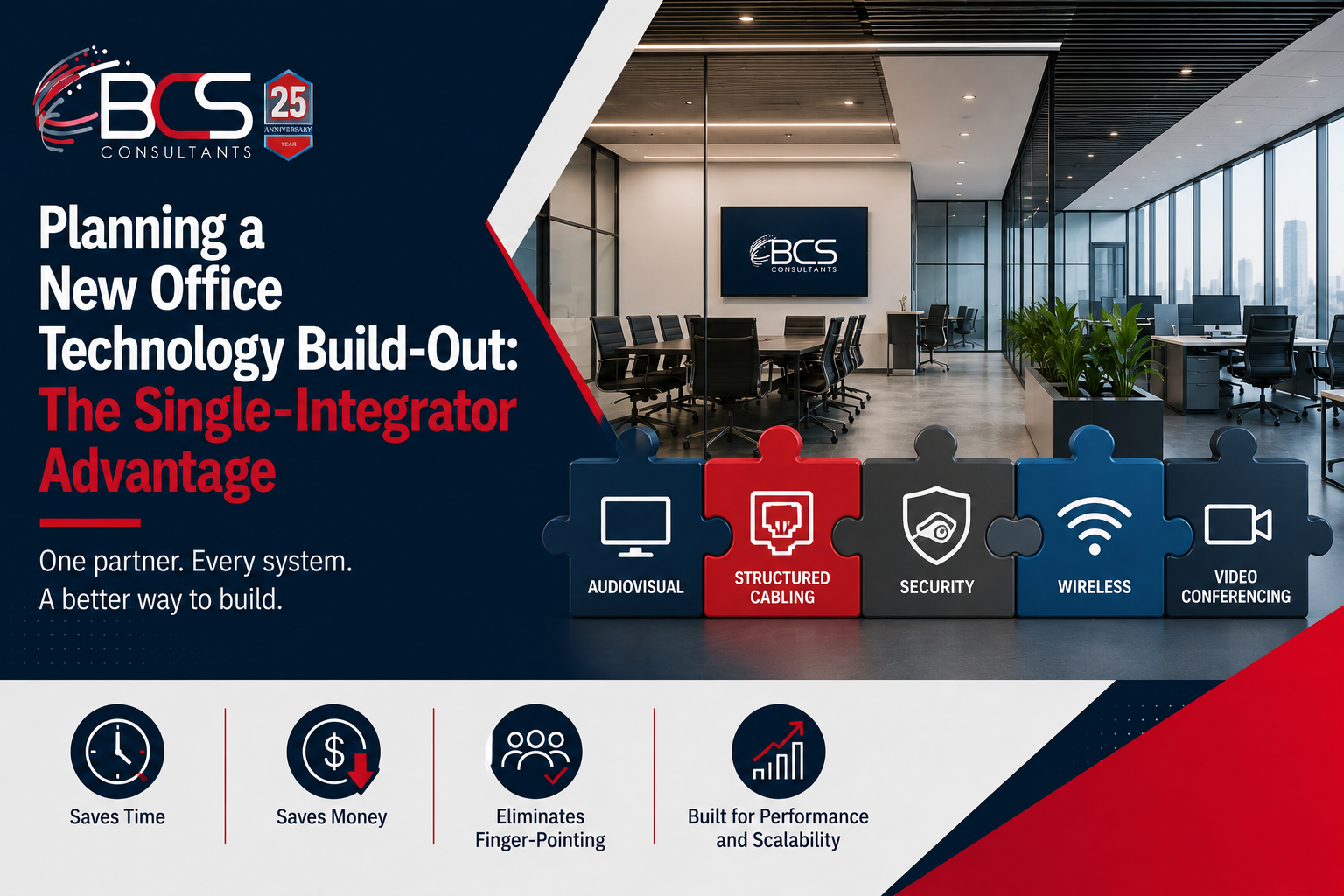
Planning a New Office Technology Build-Out: The Single-Integrator Advantage

New office build-outs and major renovations are where technology infrastructure decisions have the most long-lasting consequences — and where the most costly mistakes are made. The decisions about structured cabling, wireless access point placement, AV infrastructure, and security system architecture that are made during construction determine how well the office functions for the next decade or more.

Boardroom AV Systems: How to Design a High-Performance Meeting Space

The boardroom is where your organization makes its most consequential decisions, hosts its most important clients, and presents its most visible face to the world. It is also the room where AV failures are the most costly — not in equipment terms, but in credibility.

Crestron Videobar 70 3.0: More Flexibility for Large Meeting Rooms

Big meeting rooms are where a lot of the important stuff happens, executive reviews, client pitches, all-hands training. They're also where AV setups tend to show their age fastest. A room that only works well with one video platform, or a mic that can't quite reach the back row, turns a good meeting into a frustrating one.

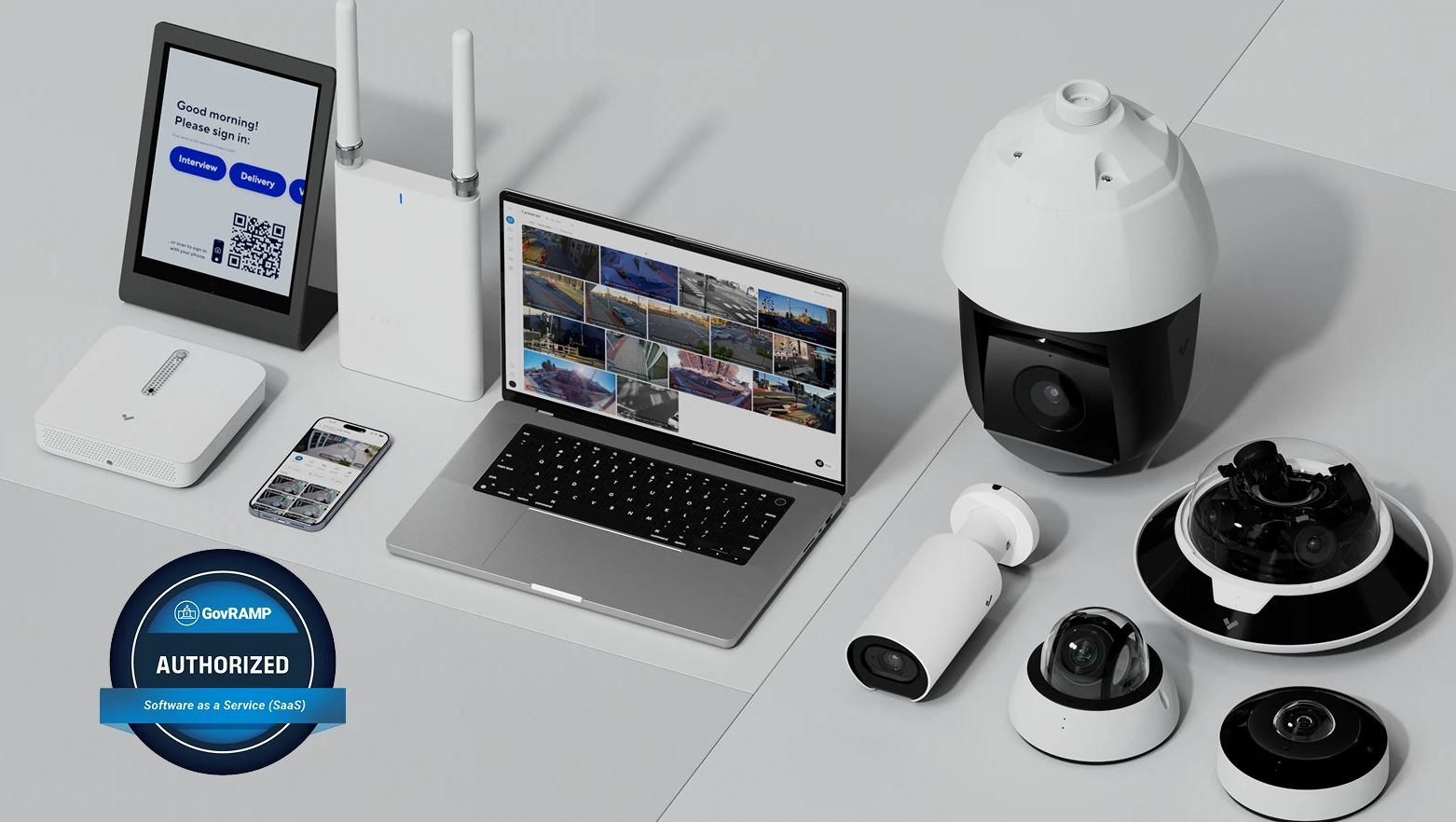
Strengthening Public Sector Security with Verkada’s GovRAMP Moderate Authorization

Most government security teams aren't protecting one building, they're protecting dozens, sometimes hundreds, spread across city halls, schools, transit hubs, utility yards, and administrative offices, usually with a security staff too small for the job.